
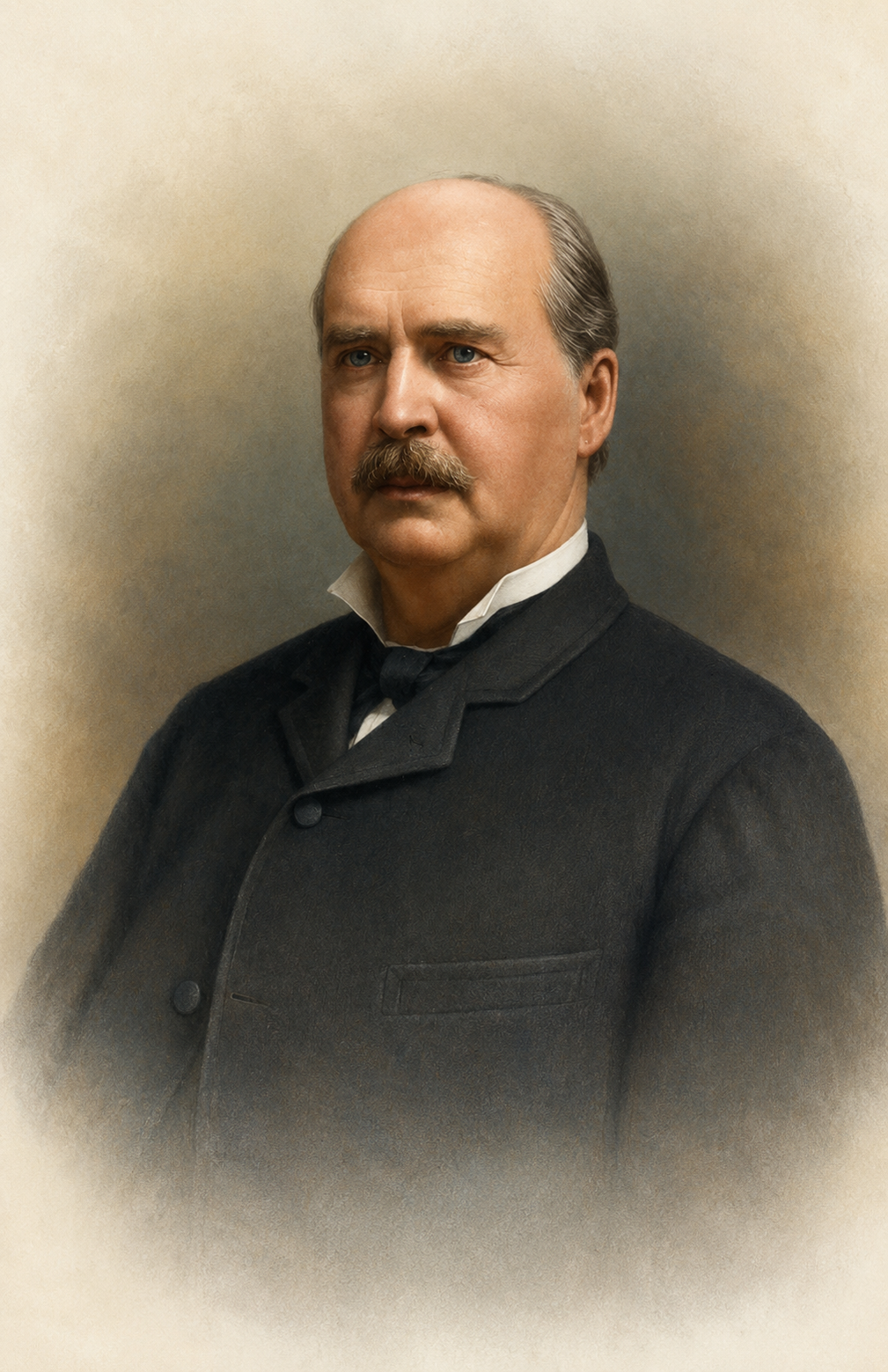
James William Richardson, Sr.
The Richardson Household
James William Richardson
James Richardson, Jr.
2827 Locust Street
Richardson & Company – Wholesale Druggists
Among the great commercial and civic households represented within the Lucas and Garrison neighborhood in 1875, few possessed the breadth of influence, institutional reach, and multi-generational significance of the Richardson family. The residence at 2827 Locust Street stood not merely as the home of a prosperous merchant, but as the center of a family deeply connected to the commercial, educational, and cultural development of nineteenth-century St. Louis.
The head of the household was James William Richardson, founder of Richardson Drug Company, one of the largest and most respected wholesale pharmaceutical firms in the American West. By 1875 Richardson had become widely recognized not only as a successful businessman, but as one of the civic-minded merchant leaders who helped shape modern St. Louis during the decades following the Civil War.
Born in Hopkinton, New Hampshire, on July 14, 1817, Richardson emerged from modest New England beginnings rooted in discipline, education, and industrious labor. Contemporary biographical accounts described him teaching school during the winter months while working manual labor during the summers in order to support himself and assist his family. After years in the grocery business in Pittsburgh, Richardson arrived in St. Louis in 1857 and invested approximately fifty thousand dollars into the wholesale drug trade—an enormous sum for the era and a decision that would lay the foundation for one of the city’s most influential mercantile enterprises.
The timing proved remarkable. St. Louis was rapidly emerging as the commercial gateway of the Mississippi Valley, and the wholesale pharmaceutical trade was becoming increasingly important as railroads, western settlement, medicine, manufacturing, and commercial agriculture expanded across the nation. Richardson recognized the opportunity immediately.
Beginning at 704 North Main Street, the Richardson firm expanded steadily into immense warehouse and laboratory facilities near the levee district. Contemporary accounts described the company as “the oldest drug house in the city,” possessing “world-wide” reputation and distributing pharmaceuticals and druggists’ supplies throughout the western United States. By the late nineteenth century the company occupied multiple warehouse buildings, employed well over one hundred fifty workers, maintained chemical and pharmaceutical laboratories, and operated one of the largest wholesale drug operations west of the Mississippi River.
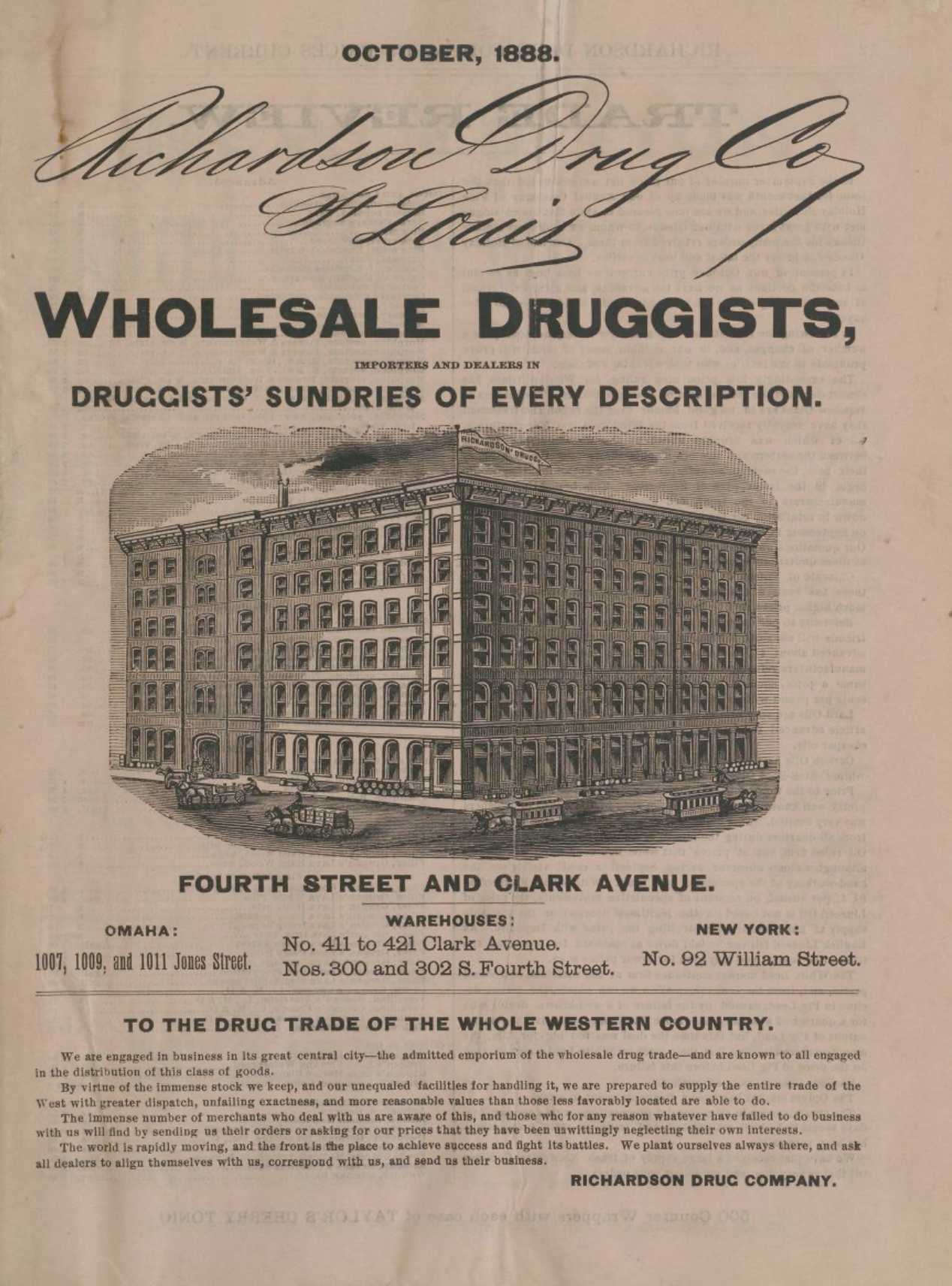
Richardson Wholesale Drug Catalog
The scale of the enterprise reflected the growing national importance of St. Louis itself. River transportation, rail distribution, warehousing, importation, and industrial processing all converged within the Richardson business model. Their warehouses stood among the great commercial houses that transformed St. Louis from a frontier river town into a modern industrial metropolis.
Yet James William Richardson’s importance extended far beyond commerce.
He became deeply involved in the civic and educational life of St. Louis during a period when the city’s public institutions were rapidly evolving. Histories of the era repeatedly praised his integrity, public spirit, and commitment to educational reform. Richardson served on the Board of Education and became closely associated with the establishment and expansion of the St. Louis Public School Library system. One contemporary history stated that no individual had worked more tirelessly in advancing educational opportunities within the city.
The same source observed:
“In the conception and execution of public enterprises that affect the welfare of St. Louis, no more liberal or ardent worker has been found.”
Richardson also became associated with the broader cultural refinement emerging within Gilded Age St. Louis. As commercial fortunes expanded following the Civil War, many of the city’s leading merchant families increasingly supported educational institutions, libraries, museums, music organizations, and civic reform movements intended to elevate the intellectual and cultural standing of the city. The Richardson household participated fully within this evolving world of upper-class civic responsibility and cultural ambition.
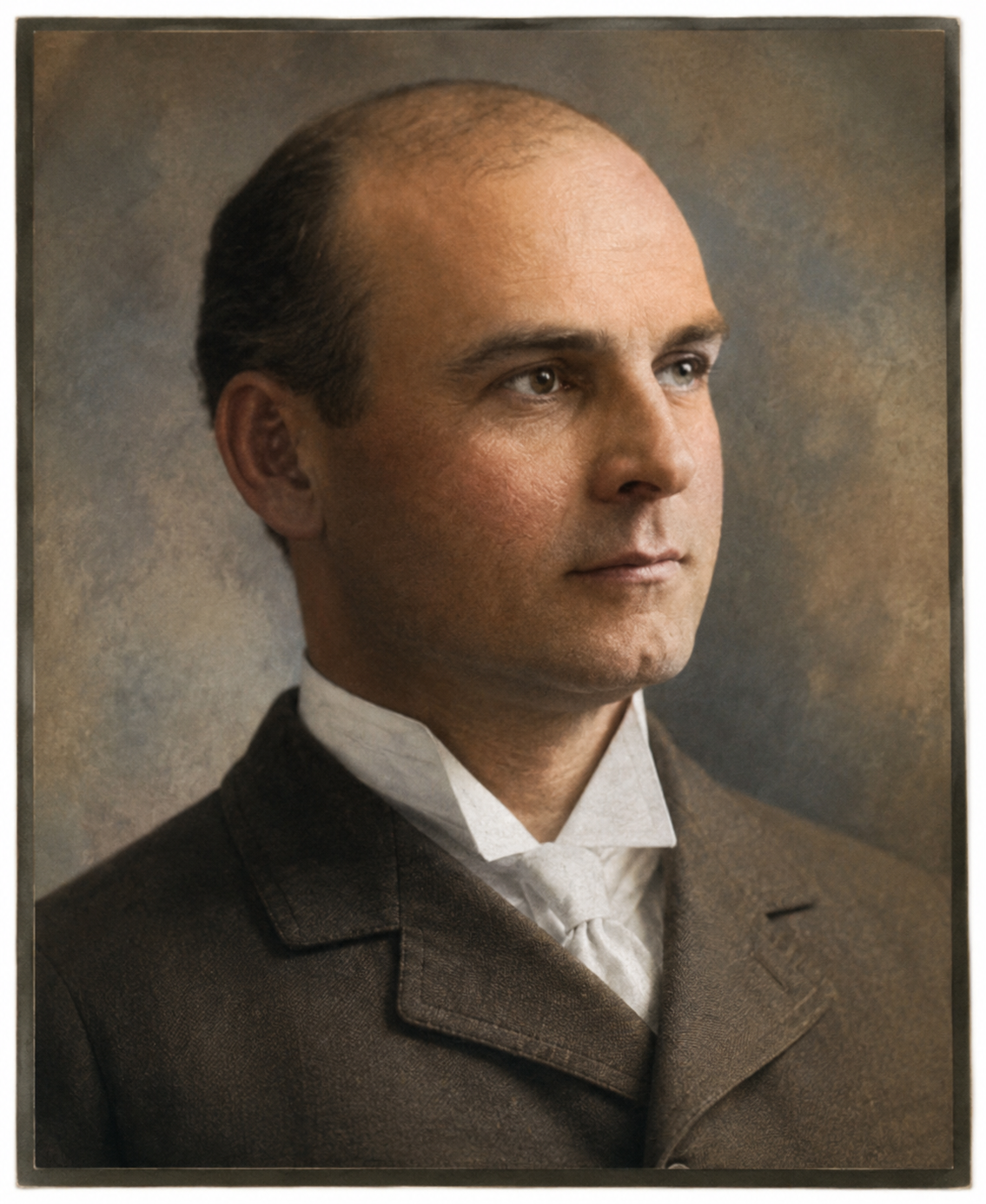
James William Richardson, Jr.
Living within the household in 1875 was Richardson’s son, James Richardson Jr., then only about twenty years old and already employed as a clerk within the family firm. Gould’s Directory specifically identifies “James, jr.” as residing at 2827 Locust while working for Richardson & Company, indicating that he remained part of the parental household during the period represented by Plate 71.
Nearby, at 2811 Locust Street, a brother, Joseph Clifford Richardson, who had already entered the business as a junior partner. Educated at Washington University in St. Louis, Joseph represented the next generation of increasingly professionalized business leadership emerging during the late nineteenth century. Together, the Richardson residences formed a concentrated family presence within the Lucas and Garrison district, illustrating how many of St. Louis’ leading merchant dynasties clustered within a relatively compact social geography.
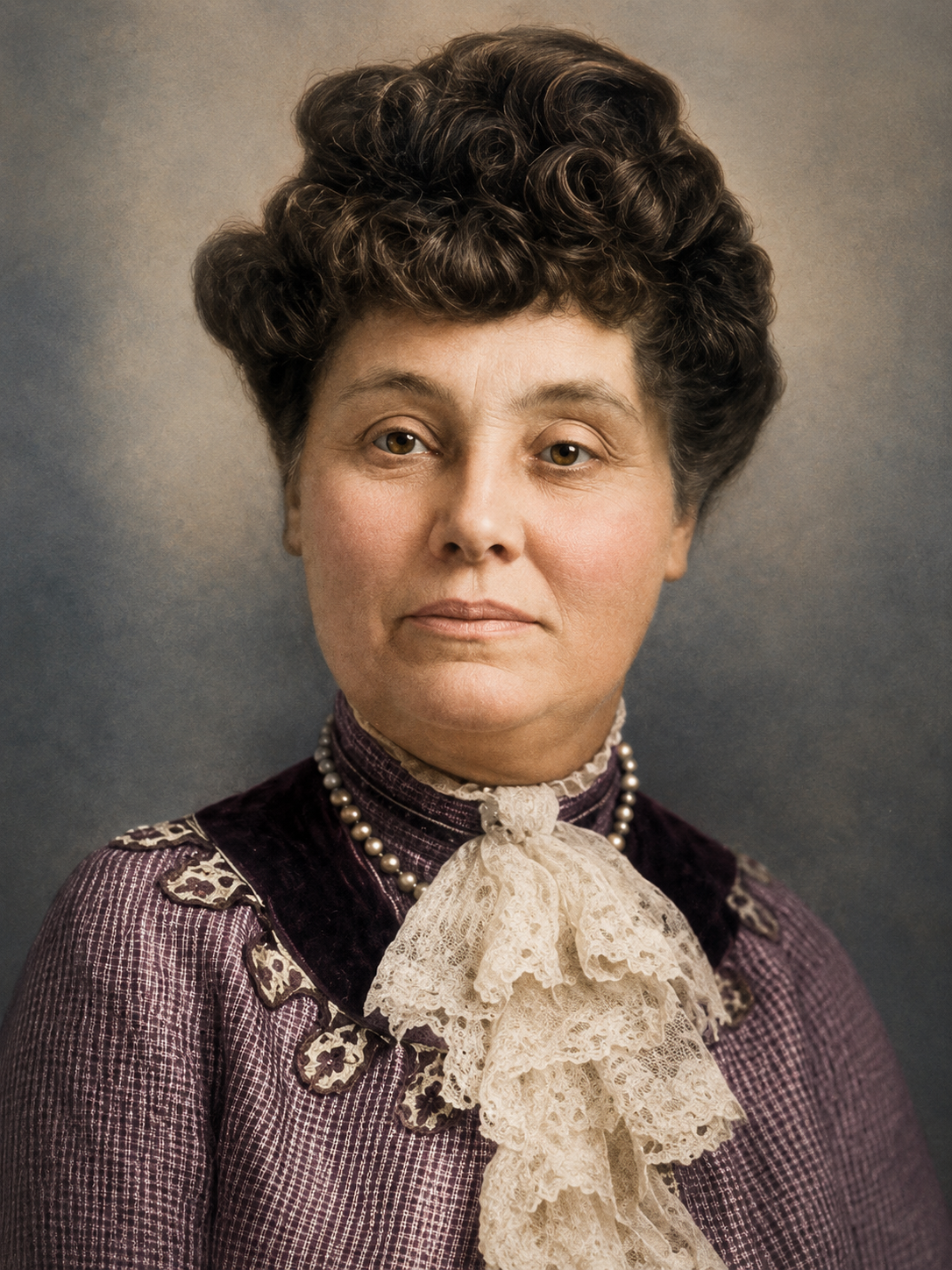
Florence Wymon Richardson
The younger generation of the Richardson family would eventually extend the household’s influence into unexpected directions. James Richardson, Jr. later married Florence Wyman Richardson, daughter of Postmaster Frank Wyman. Florence Richardson became an important figure within the cultural and civic life of St. Louis, participating in music organizations, women’s reform movements, and broader cultural initiatives associated with the city’s growing artistic institutions.

Mr. and Mrs. Ernest Hemingway