Charles E. Gartside
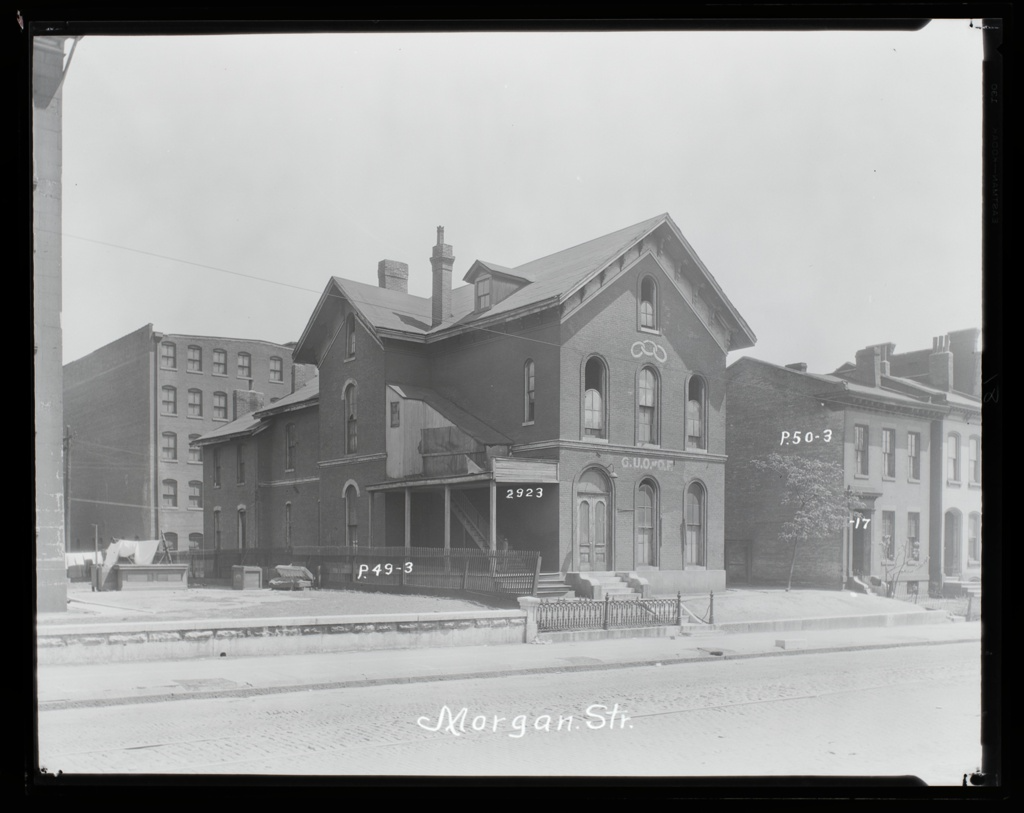
2923 Morgan Street
Gartside Coal and Towing Company
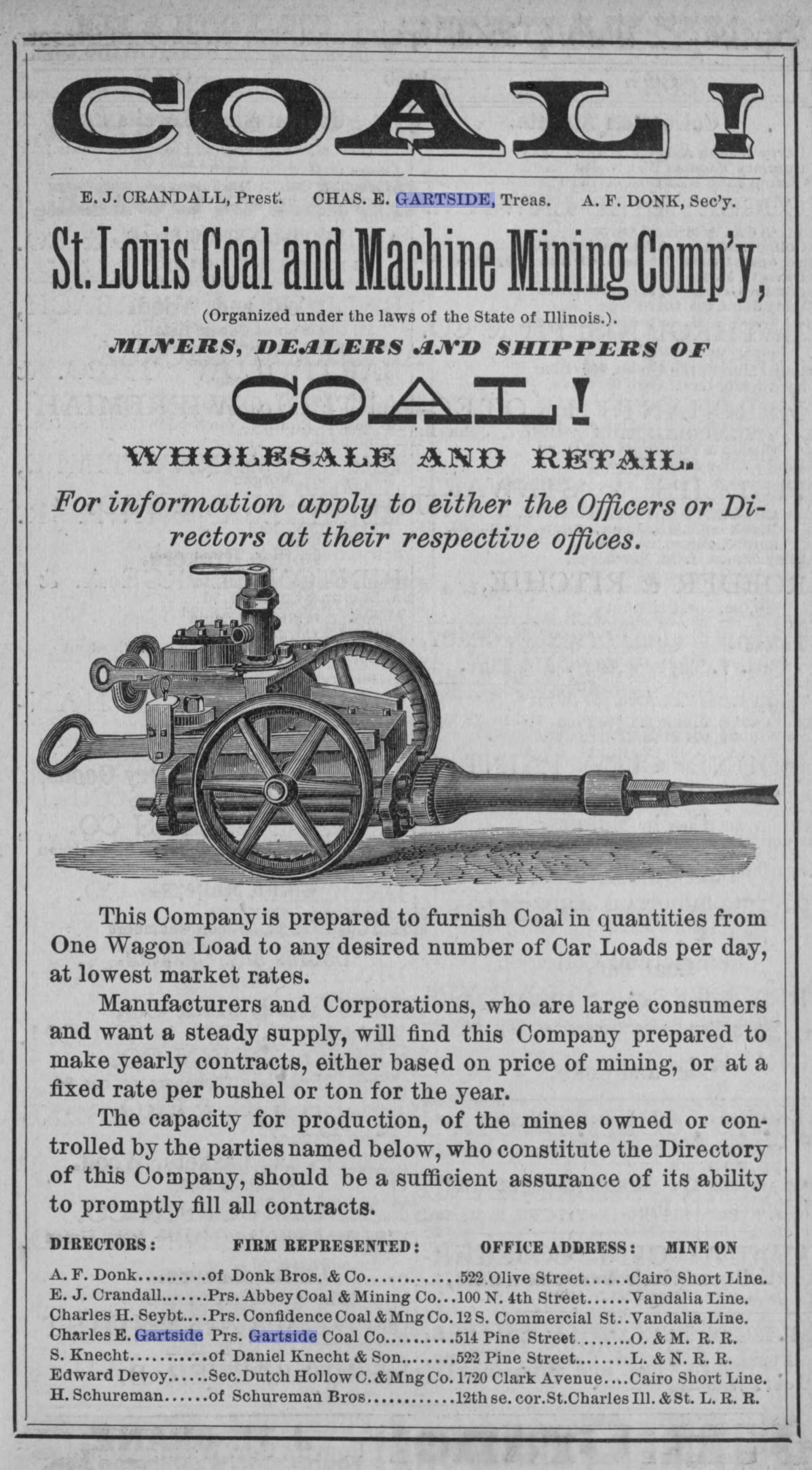
In 1875, Charles E. Gartside resided at 2923 Morgan Street in the rapidly developing western reaches of St. Louis. Though his surviving personal record is comparatively modest when measured against some of the industrial titans living nearby, Gartside’s business connections place him directly within one of the most important engines of nineteenth-century urban growth: coal.
Coal powered nearly every aspect of St. Louis life in the post–Civil War period. Homes were heated by coal stoves, factories consumed enormous quantities of fuel, foundries required constant heat, steamships depended upon it, railroads transported it, and industries across the city rose and fell according to the reliability of fuel supply. Through the Gartside Coal and Towing Company, Charles E. Gartside participated in the complicated transportation and distribution network that kept the city functioning.
The Gartside Coal and Towing Company traced its roots to 1856 and was formally chartered in May 1873 with a capital stock of fifty thousand dollars. Contemporary trade reports noted that the incorporators included James Gartside, Charles E. Gartside, and Joseph Gartside. The company owned two steam tugs and ten barges and conducted “a general coal and transportation business.” By 1882, Charles E. Gartside was serving as president of the firm, while James Gartside acted as secretary and treasurer. Their offices were located on the New Orleans Anchor Line wharf-boat at the foot of Pine Street.
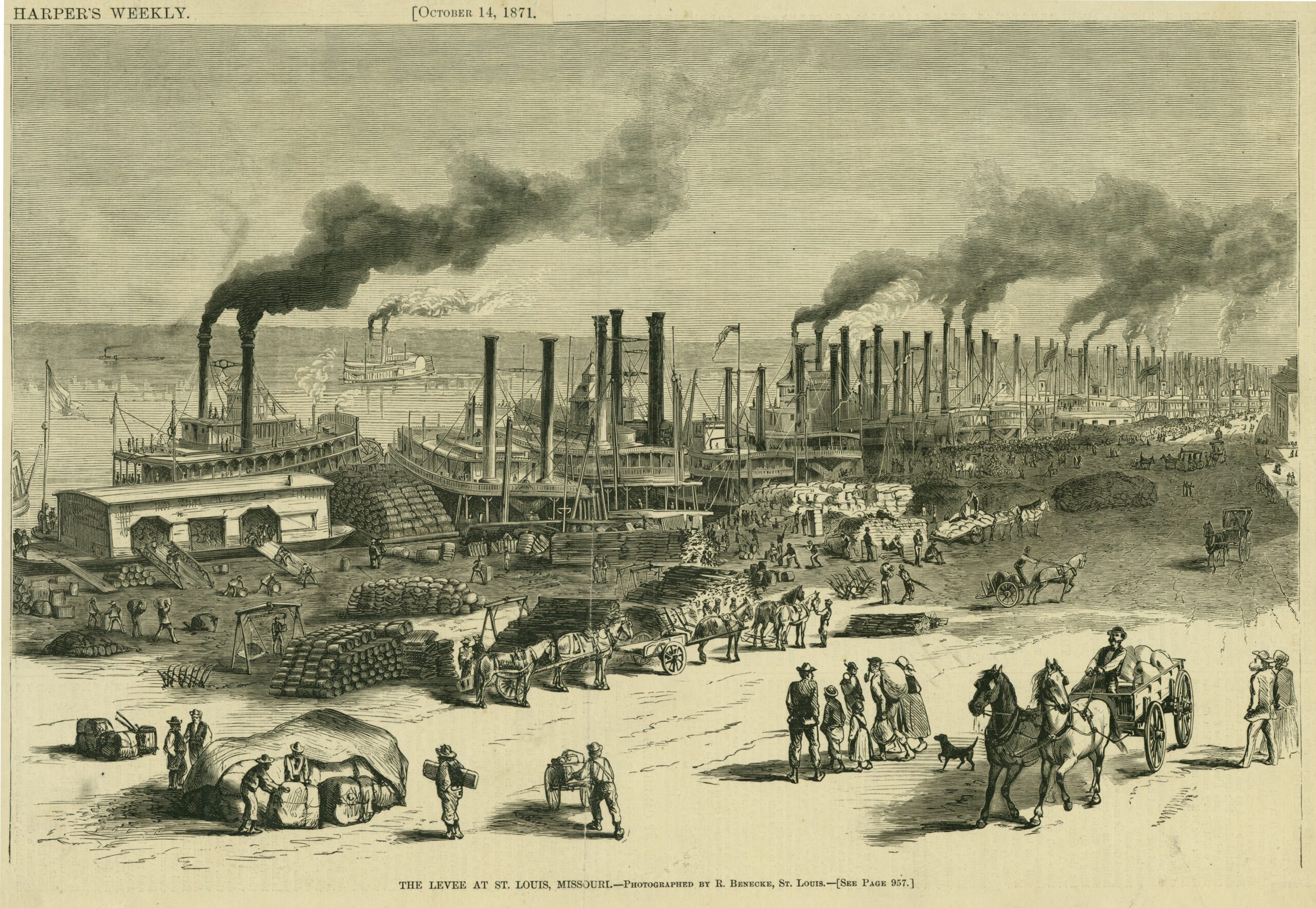
This detail reveals an important dimension of the business often overlooked in simple directory listings. The Gartside enterprise was not merely a retail coal yard. It was deeply tied to river transportation and the logistical systems that connected St. Louis to the Mississippi Valley economy. Coal arriving by river had to be unloaded, transferred, stored, sold, and redistributed. Tugboats and barges were essential tools in this industrial ecosystem, particularly in an era when the riverfront remained one of the busiest commercial corridors in the nation.
The location of the company office on a wharf-boat at the foot of Pine Street symbolically placed the Gartside operation at the intersection of fuel, transportation, and commerce. The Mississippi River was still the commercial lifeline of St. Louis in the 1870s, even as railroads increasingly challenged river dominance. Coal merchants who controlled transportation infrastructure occupied a strategically important position in the city’s economy.
Charles E. Gartside’s residence on Morgan Street also places him geographically within the emerging transition zone between established wealth and expanding industry. Morgan Street in the Lucas and Garrison neighborhood reflected the layered character of 1875 St. Louis — respectable residential blocks existing only short distances from rail corridors, warehouses, factories, and transportation routes. Residents of the area lived close enough to the machinery of commerce to hear, smell, and experience industrial expansion firsthand.
Research into Charles E. Gartside himself remains somewhat limited, a reminder that not every resident of Plate 71 left behind extensive personal documentation. Yet this scarcity itself becomes historically revealing. Many of the men who shaped nineteenth-century St. Louis did so not through political office or public fame, but through the steady operation of businesses that quietly sustained the city’s daily life.
Coal companies such as Gartside’s were foundational to the urban experience of the era. Without them, homes went cold, factories halted, railroads stalled, and river commerce slowed. The seemingly ordinary directory listing of “coal and towing” therefore opens a much larger window into the infrastructure that powered St. Louis during one of its great periods of growth.
LucGar Reflective Addendum
The story of Charles E. Gartside illustrates one of the central discoveries of the Lucas and Garrison project: even residents whose personal histories appear initially sparse may still provide meaningful insight into the systems that sustained nineteenth-century urban life.
Coal was the invisible energy source behind the success of St. Louis in 1875. Nearly every advancement celebrated during the city’s industrial rise — manufacturing, transportation, heating, construction, and commerce — depended upon vast networks of extraction, movement, and distribution. Men like Charles Gartside occupied the connective tissue of that system.
This profile also reminds us that historical significance is not measured solely by surviving fame. Some residents left behind speeches, books, mansions, or political legacies. Others left only business listings, scattered trade references, and fragmentary records. Yet together they formed the functioning ecosystem of the city.
The Lucas and Garrison neighborhood was not simply a collection of wealthy homes. It was a living industrial and commercial organism connected to railroads, river traffic, foundries, mills, wholesale houses, and fuel networks. Charles E. Gartside’s life and business help illuminate that larger world.

 The story of Charles E. Gartside illustrates one of the central discoveries of the Lucas and Garrison project: even residents whose personal histories appear initially sparse may still provide meaningful insight into the systems that sustained nineteenth-century urban life.