
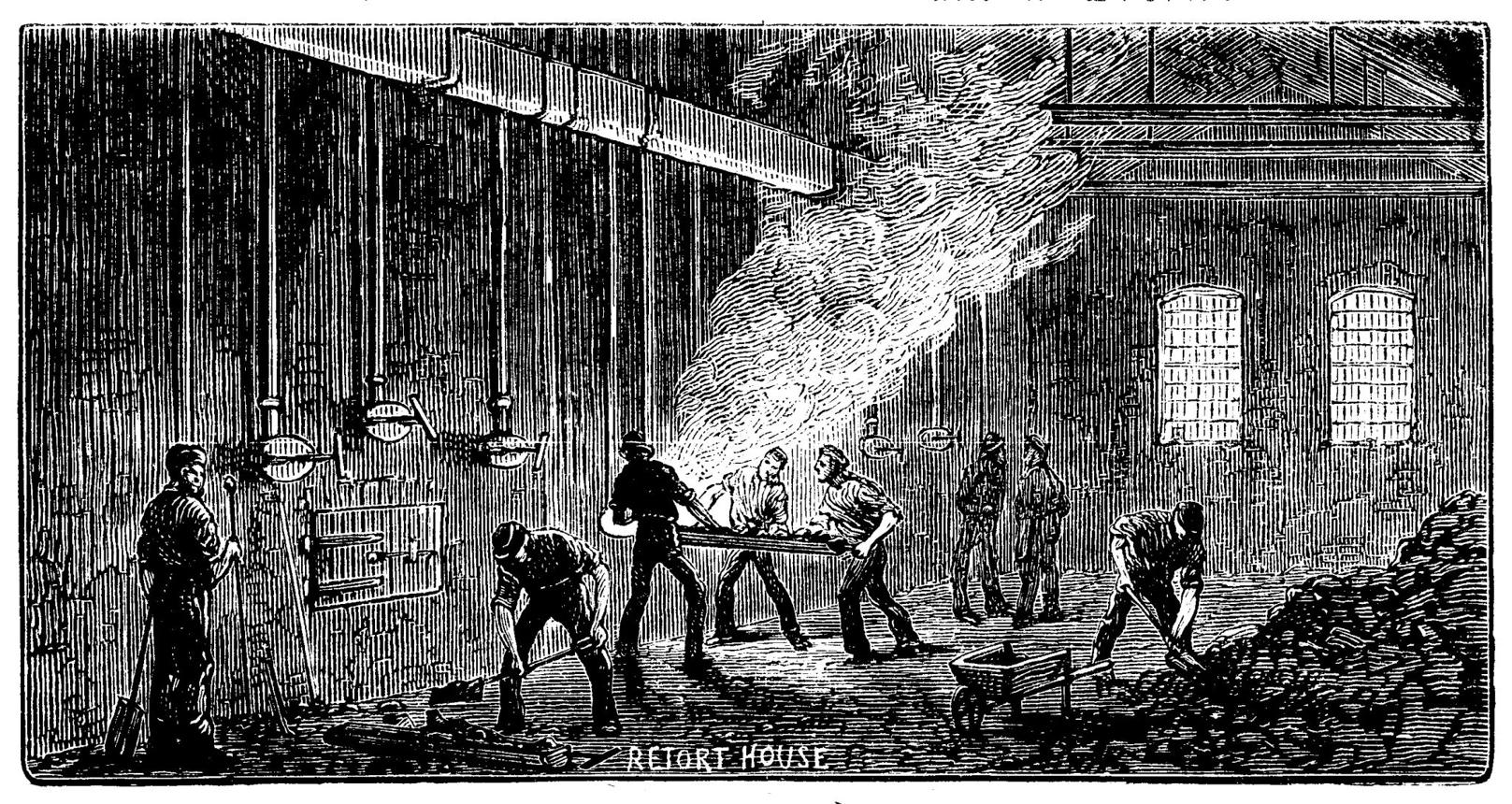
 St. Louis Gas Company
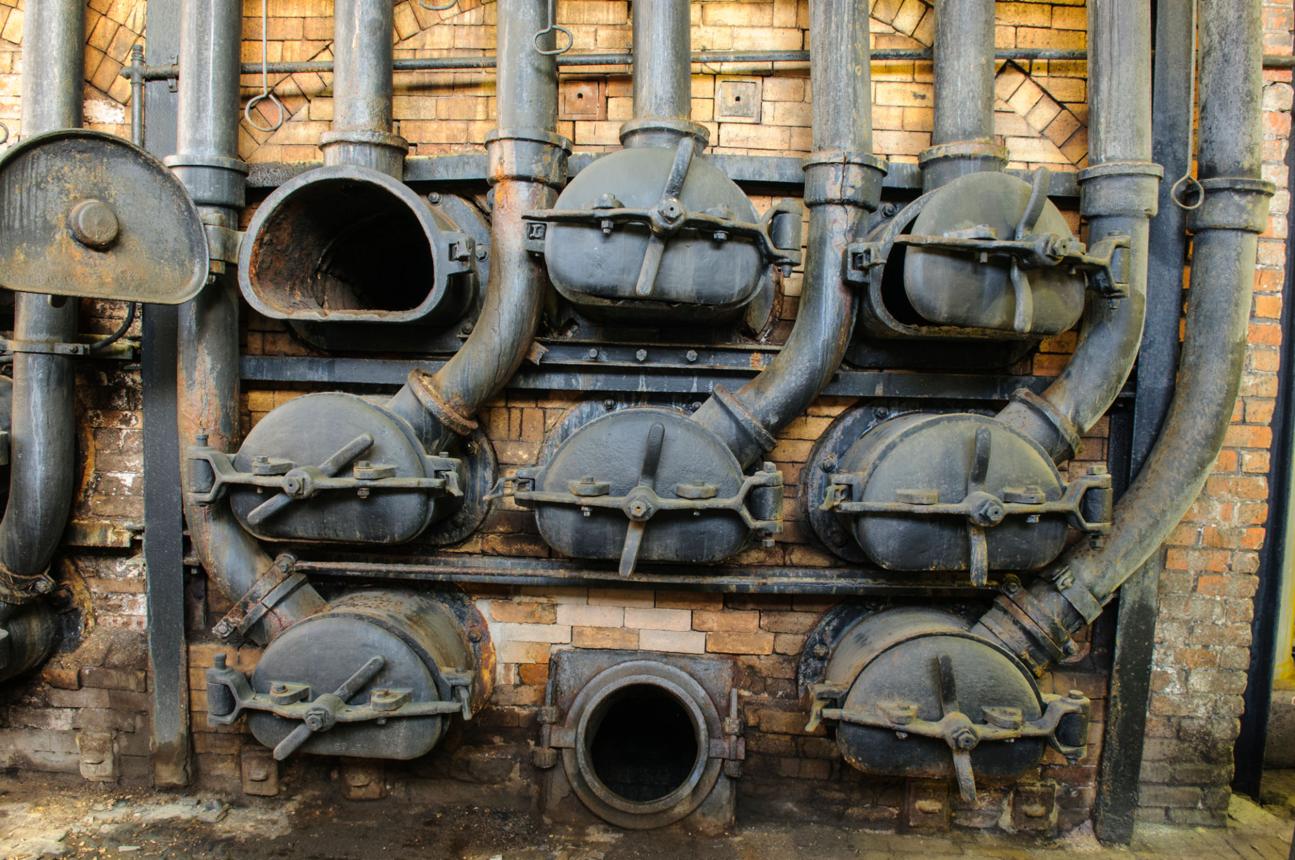 By the post–Civil War period, the gas industry in St. Louis had matured into a powerful quasi-monopoly, overseen by a board of directors drawn from the city’s commercial elite. While individual names are less prominently remembered than the institutions themselves, these directors were often the same men who sat on bank boards, funded railroads, and influenced municipal policy. Their dual roles blurred the line between public service and private interest. They negotiated franchises with the city, set rates, and determined where infrastructure would be expanded—decisions that directly shaped patterns of urban development.
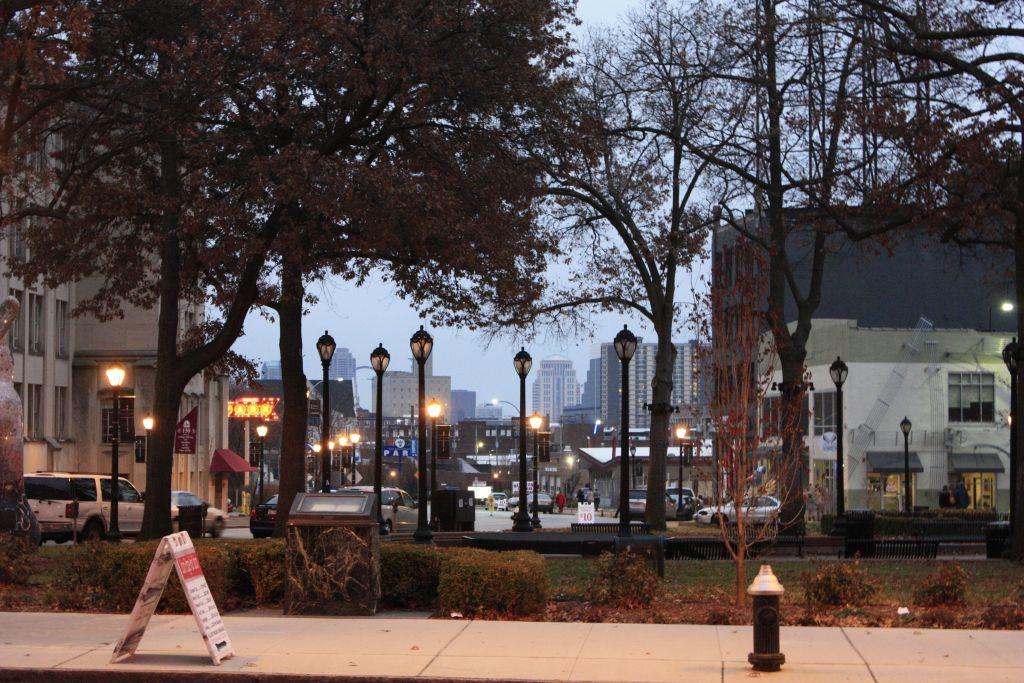 In this sense, the St. Louis gas industry was not merely a utility; it was a reflection of the city’s power structure. Its pipes ran beneath the streets, but its true foundations lay in the ambitions and decisions of the men who sought to illuminate—and in many ways control—the growing metropolis.