Transportation Modes & Methods

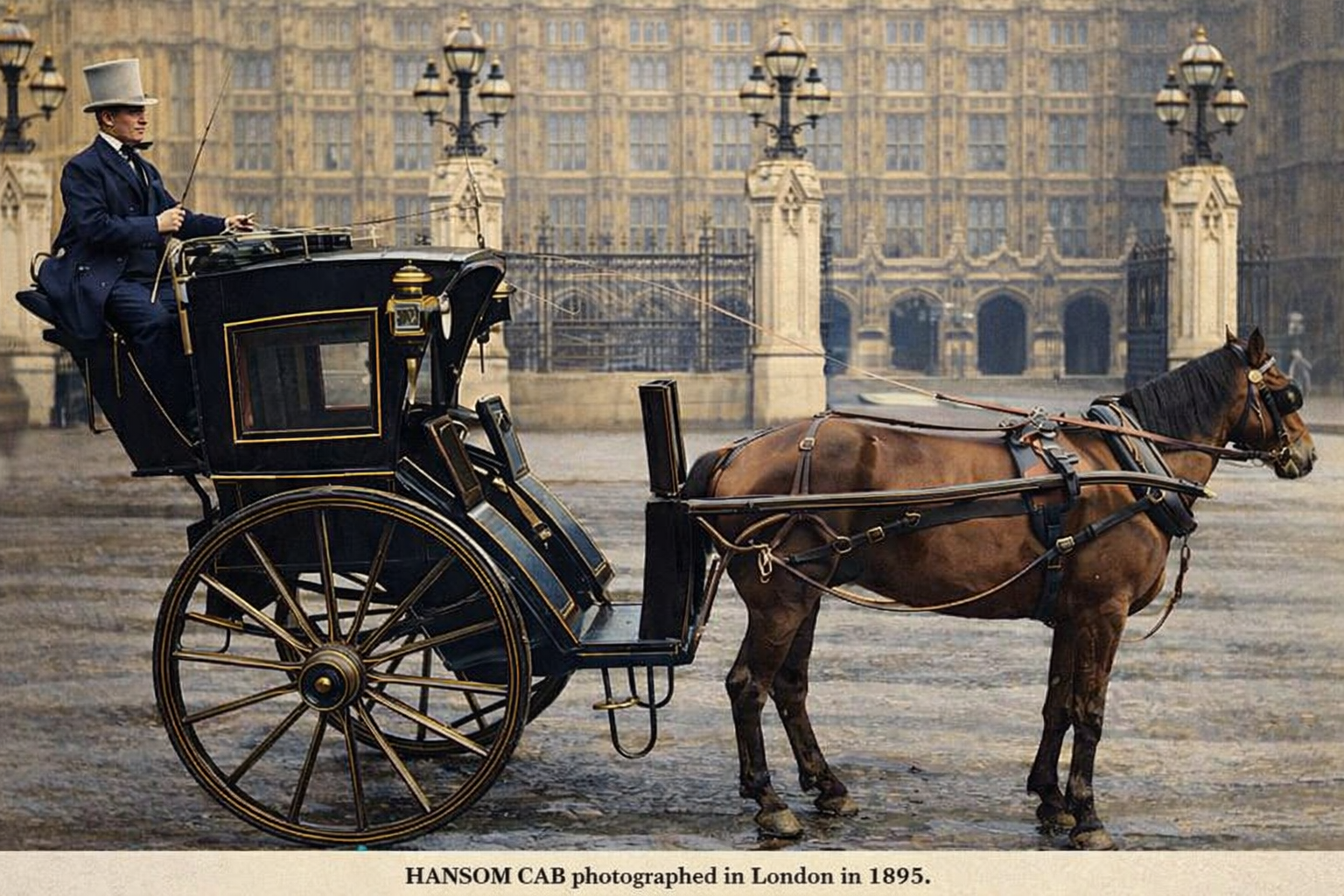
In 1875, the dominant mode of personal transportation remained the horse. Wealthier citizens maintained private carriages—elegant broughams, phaetons, and open buggies—housed in private stables behind their residences. For the broader public, however, access to transportation was often mediated through commercial enterprises such as livery stables.
One notable figure in this sector was Jesse Arnot, proprietor of a well-regarded livery stable. Arnot’s establishment would have provided horses, carriages, and drivers for hire—serving businessmen, visitors, and residents who required temporary transportation without the expense of ownership. Such stables were essential nodes in the urban fabric, enabling flexibility of movement across a sprawling and increasingly congested city.

Similarly, the Benton Stables represented another important operation in the same sphere. Located strategically within the city, such facilities were not merely rental services but hubs of logistical coordination—boarding horses, maintaining tack and vehicles, and often arranging longer-distance travel. In an era before taxis or automobiles, the livery stable functioned as both rental agency and transportation infrastructure.

These stables also underscore a key reality: transportation in 1875 was labor-intensive and animal-dependent. Streets were filled with wagons, omnibuses, and private rigs, all contributing to congestion, noise, and the ever-present challenge of sanitation.

The Rise of the Street Railway

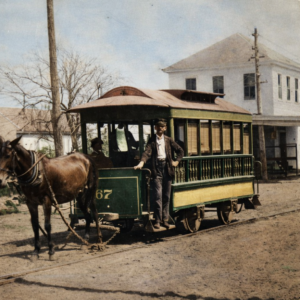
While horses dominated, a transformative development was underway: the street railway. By 1875, Erastus Wells had already played a foundational role in establishing streetcar lines in St. Louis. Wells, a businessman and political figure, helped introduce and expand horse-drawn streetcars—vehicles running on rails embedded in city streets. These cars, pulled by teams of horses, offered a smoother and more efficient ride than traditional wagons.

The street railway system represented a crucial shift. It allowed for predictable routes and schedules, linking residential neighborhoods like those along Lucas Avenue with commercial centers downtown. This connectivity expanded the practical size of the city, enabling residents to live farther from their workplaces while maintaining reliable access.

The involvement of figures such as William Tecumseh Sherman—better known for his Civil War leadership—illustrates the significance of this industry. After the war, Sherman engaged in business ventures, including associations with street railway enterprises. His participation reflects the broader pattern of prominent national figures investing in urban infrastructure during the postwar period. The streetcar industry was not merely local transportation; it was a frontier of economic opportunity and urban development.

A City in Transition

By 1875, St. Louis transportation existed in a hybrid state. Horse-drawn vehicles still ruled the streets, and livery stables like those of Jesse Arnot and the Benton Stables remained indispensable. Yet the growing network of street railways hinted at a future in which movement would be more structured, efficient, and eventually mechanized.

This dual system shaped daily life. A resident might hire a carriage from a livery stable for a private engagement, yet rely on a streetcar for routine travel across the city. Businesses depended on both systems: wagons for goods delivery, streetcars for employee and customer access.

The implications were profound. Transportation influenced residential patterns, commercial growth, and even social interaction. The accessibility provided by street railways began to erode the tight geographic constraints of earlier decades, setting the stage for suburban expansion in the decades to come.

Conclusion

In 1875, St. Louis stood at a crossroads of mobility. The enduring presence of horse-powered transportation—embodied by livery stables like Jesse Arnot’s and the Benton Stables—coexisted with the emerging street railway system championed by Erastus Wells and supported by figures such as General William T. Sherman. Together, these elements formed a dynamic and evolving transportation network that not only moved people but also propelled the city itself into a new era of urban life.