
St. Louis Flour Milling Industry
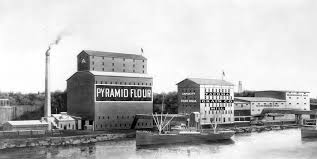 The city’s geographical advantage was paramount. Situated at the confluence of the Mississippi and Missouri Rivers, St. Louis functioned as a natural collecting point for vast quantities of wheat grown across Missouri, Illinois, and the broader Midwest. Grain arrived by steamboat, rail, and wagon, converging on the city’s levee and rail depots. This accessibility ensured a steady and abundant supply of raw material for local mills, allowing them to operate at high capacity throughout much of the year.
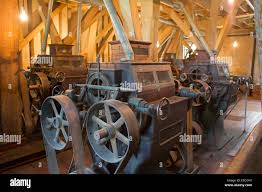 Technologically, the industry in 1875 was in a period of transition. Traditional millstones were still widely used, but the gradual adoption of the “new process” milling system—featuring gradual reduction and, eventually, roller milling—was beginning to reshape production. Although Minneapolis would become synonymous with these innovations, St. Louis millers were not isolated from such developments. Forward-looking operators recognized the importance of producing finer, whiter flour that met the evolving tastes of both domestic and international markets.
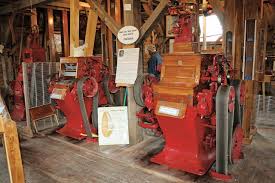 Despite its strengths, the St. Louis flour milling industry in 1875 faced emerging competition. The rise of Minneapolis, with its proximity to hard spring wheat and its early adoption of advanced roller milling technology, would soon challenge St. Louis’s position. Nonetheless, in 1875, St. Louis remained a vital and thriving center of flour production, its mills emblematic of the city’s broader identity as a gateway between the agricultural interior and the markets of the world.