
 Richard Jackson Howard
3036 Washington Avenue
Born: June, 1815
Lewes, Sussex County,Delaware
Died: April 1, 1885 (Age 69)
St. Louis, Missouri
Buriel: Bellefontaine Cemetery
St. Louis, Missouri
Fire Brick Manufacturer | Industrial Builder of St. Louis
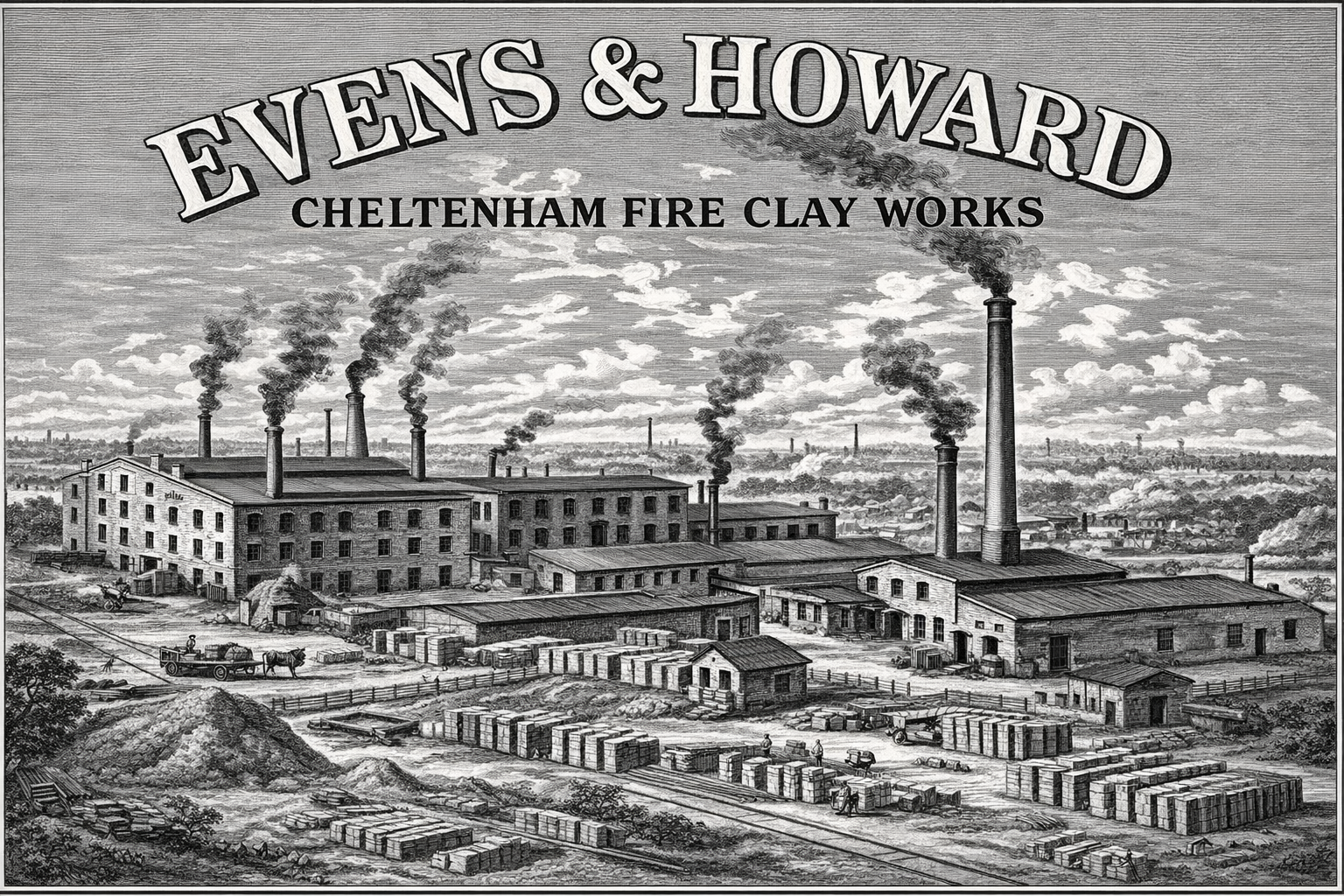
Firm: Evens & Howard Fire Brick Company
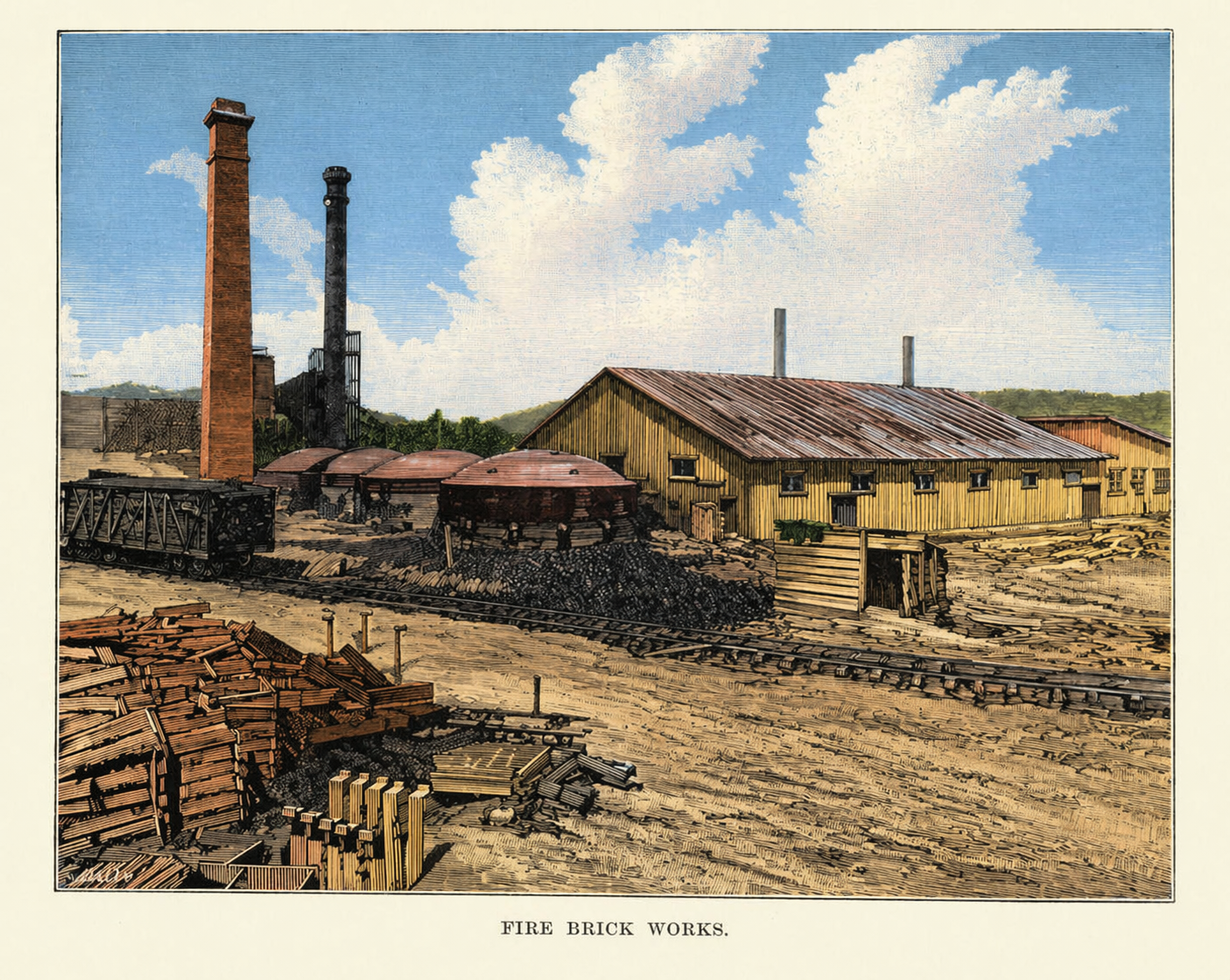
Fire Brick Works
The Man at the Furnace Edge
In the decades following the Civil War, as St. Louis surged into its role as one of the great industrial centers of the Mississippi Valley, a quieter but no less essential class of men shaped the physical reality of that growth. Among them was Richard J. Howard, a manufacturer whose work was rarely seen by the public eye, yet whose products made modern industry possible.
Howard resided at 3036 Washington Avenue, placing him squarely within the expanding westward corridor of the city’s professional and industrial class. From this vantage point—both geographically and economically—he stood at the intersection of residence and production, where the fortunes of St. Louis were increasingly forged not in mercantile counting rooms alone, but in furnaces, foundries, and mills.
Evens & Howard: Building the Invisible Infrastructure
Richard J. Howard was a principal figure in the Evens & Howard Fire Brick Company, one of the most important industrial firms of its kind in the region. The company specialized in the production of fire brick—a material engineered to withstand extreme heat and thermal stress.
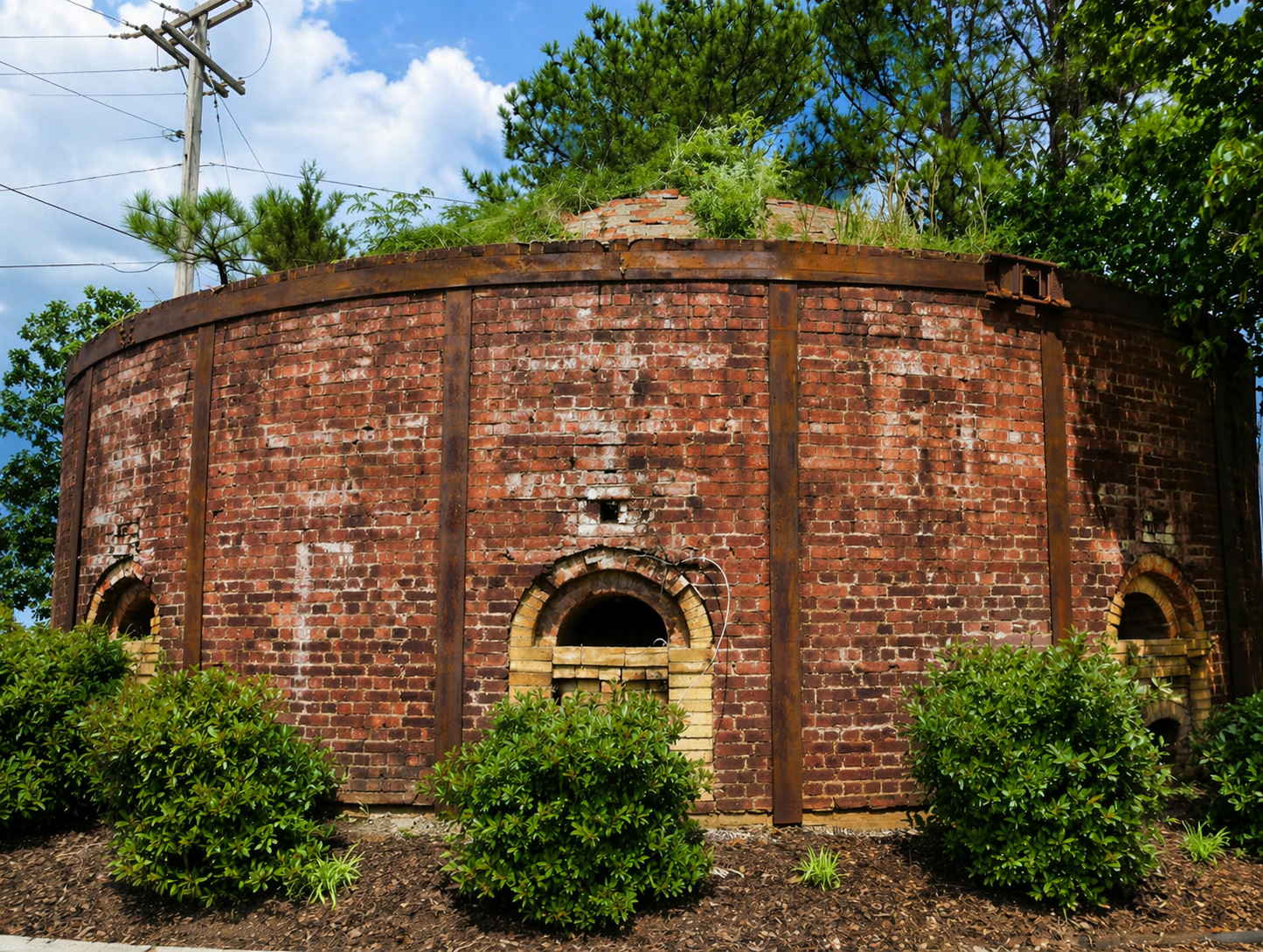
Fire Brick Oven
Unlike ordinary building brick, fire brick was not intended for walls or facades. Its purpose was more fundamental and far more demanding. These bricks lined the interiors of:
-
Iron and steel furnaces
-
Glassworks
-
Steam boilers
-
Locomotive fireboxes
-
Industrial kilns
Without fire brick, the high-temperature processes that defined the Industrial Revolution would have been impossible. In this sense, Howard’s work existed beneath the surface of nearly every major industrial operation in St. Louis and beyond.
Industrial St. Louis and the Demand for Heat
By the 1870s, St. Louis had become a city of smoke, flame, and transformation. Railroads converged, factories multiplied, and the Mississippi River carried both raw materials and finished goods in immense volume. This environment created an insatiable demand for refractory materials.
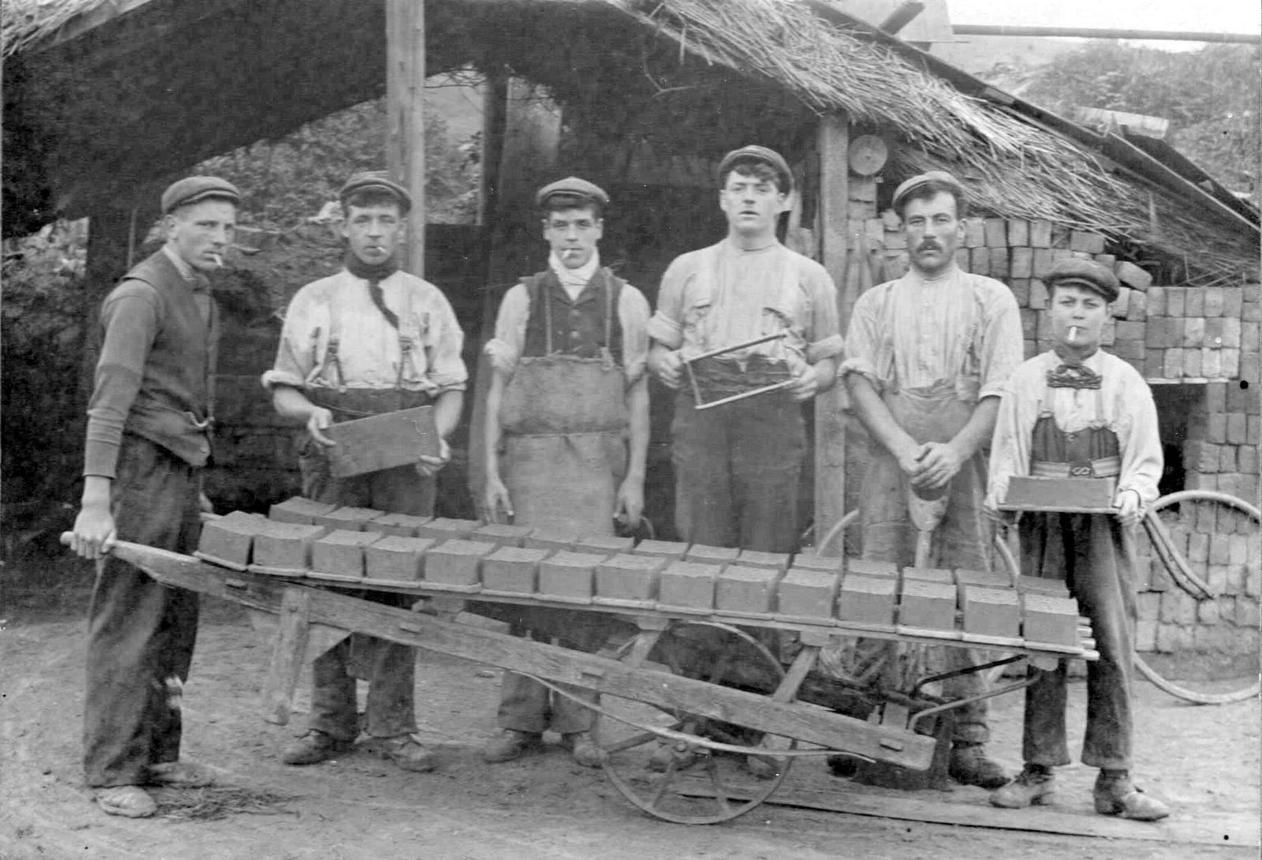
Fire Brick Workers
The Evens & Howard firm met this demand with a product that required both geological knowledge and manufacturing precision. Fire clay had to be carefully sourced, shaped, and fired under controlled conditions to produce bricks capable of enduring repeated cycles of extreme heat and cooling without cracking.
Howard’s role within this enterprise placed him among the industrial enablers of the city—men whose fortunes and reputations were tied not to public office or social prominence, but to the reliability of materials under stress.
Washington Avenue: Residence and Identity
Howard’s home at 3036 Washington Avenue situates him within one of the most dynamic residential corridors of late nineteenth-century St. Louis. Washington Avenue was rapidly transforming during this period—from a primarily residential street into a mixed corridor of homes, commerce, and eventually large-scale wholesale and garment activity.
To live here in the 1870s was to signal:
-
Financial success derived from industry or commerce
-
Proximity to the city’s westward expansion
-
Participation in a rising class of professional-industrial elites
Howard’s presence on Washington Avenue aligns him with the broader pattern seen across Plate 71 and its surrounding districts: a concentration of individuals whose livelihoods were directly tied to the infrastructure of growth—bankers, manufacturers, brokers, and entrepreneurs.
A Different Kind of Builder
Richard J. Howard was not a builder in the traditional architectural sense. He did not design façades or erect visible monuments. Instead, he contributed to the hidden durability of the industrial age.
His work answered a simple but unforgiving question:
How do you contain fire at its most intense—and make it useful?
The answer, in part, was the fire brick produced by firms like Evens & Howard. These materials allowed heat to be harnessed, controlled, and repeated safely, transforming raw energy into industrial output.
Context Within the Garrison Corridor
Within the broader study of the Lucas and Garrison neighborhood, Howard represents a critical archetype:
-
Not a public figure, but an essential one
-
Not widely remembered, yet widely depended upon
-
A man whose industry supported the visible achievements of others
His profile complements those of financiers, merchants, and civic leaders by revealing the material foundation upon which their successes rested.
Reflective Addendum
The study of men like Richard J. Howard challenges the instinct to focus only on the visible and the celebrated. His life illustrates a deeper truth about cities—and about progress itself:
The most transformative forces are often those that operate out of sight.
 Furnaces, railroads, glassworks, and engines—all symbols of nineteenth-century advancement—depended on materials designed to endure extremes. Without them, ambition would quite literally collapse under heat and pressure.
In this way, Howard’s legacy is not tied to a single building or public achievement, but to a principle:
-
That durability matters
-
That unseen work sustains visible success
-
That progress is as dependent on what is hidden as on what is displayed