
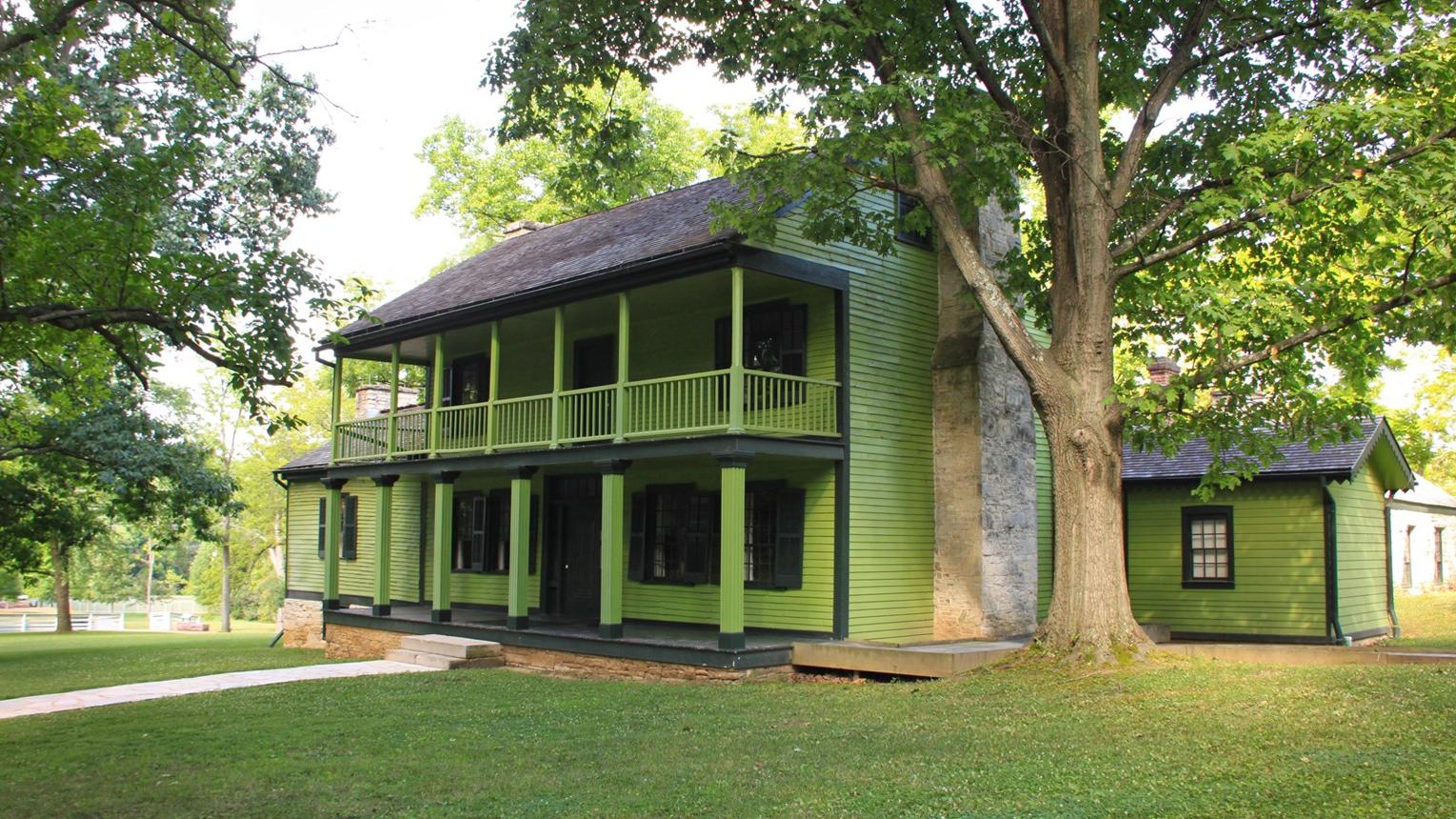
The Dent family estate - Whitehaven
Dent, John C.
3407 Washington
Military Officer
Brother-in-Law of General Ulysses S. Grant
Member of the Dent Family of White Haven
Birth: May 22, 1816
Pittsburgh, Allegheny County, Pennsylvania, USA
Death: Jan. 1, 1889
Carthage, Missouri
Among the residents connected to the Lucas and Garrison neighborhood in 1875, few possessed ties to national history as direct and personal as John Cromwell Dent. Living at 3407 Washington Avenue, Dent belonged to the prominent Dent family of St. Louis, whose name became permanently intertwined with that of General and later President Ulysses S. Grant through the marriage of his younger sister Julia Dent. Yet John Dent’s own life reflected a distinctly American nineteenth-century story of frontier expansion, military service, westward migration, and old St. Louis family influence.
John Cromwell Dent was born in 1816 in Pittsburgh, Pennsylvania, the eldest son of Colonel Frederick Dent and Ellen Wrenshall Dent. His father prospered in the fur trade and eventually acquired the large tract of land southwest of St. Louis that became known as White Haven, named after an ancestral Dent family home in England. The White Haven estate later achieved national significance as the home of Julia Dent Grant and as a central location in the story of the Grant family in Missouri.
The Dent household occupied an important place within the upper social circles of antebellum St. Louis. John was the eldest of eight children, including Julia Dent Grant, George Dent, and Emma Dent. Through marriages and lifelong family friendships, the Dents became closely connected to other influential St. Louis families, including the Shurlds family. John himself eventually married Anna Amanda Shurlds, daughter of Judge Henry Shurlds and Jane Burk Shurlds. His brother George Dent married Anna’s sister Mary Isabella Shurlds, further strengthening the ties between the two families.
John Dent’s life was shaped heavily by military service. He served with distinction during the Mexican War, one of the defining military conflicts of mid-nineteenth-century America and the proving ground for many officers who would later lead during the Civil War. Dent later also served during the Civil War, described in contemporary accounts as having participated “with distinction in the war of the rebellion.” Newspaper references additionally place him among those who crossed the plains during the California Gold Rush era after the Mexican War, linking him to the great westward migration that transformed the United States in the late 1840s and 1850s.
His relationship with Ulysses S. Grant stretched back to Grant’s earliest days in St. Louis following graduation from West Point. When the young lieutenant was stationed at Jefferson Barracks, the older John Dent reportedly maintained a close and almost protective relationship with him. Grant’s courtship of Julia Dent thus unfolded within a deeply interconnected family network in which John occupied a senior and respected position.
Dent first married Ellen Dean, daughter of Major James Dean and Harriet Christy Dean of St. Louis. Ellen later died in California, and the marriage produced no children. John subsequently married Anna Amanda Shurlds. Together they had one son, William Bernard Dent, born in St. Louis on December 20, 1861.
Family and Background
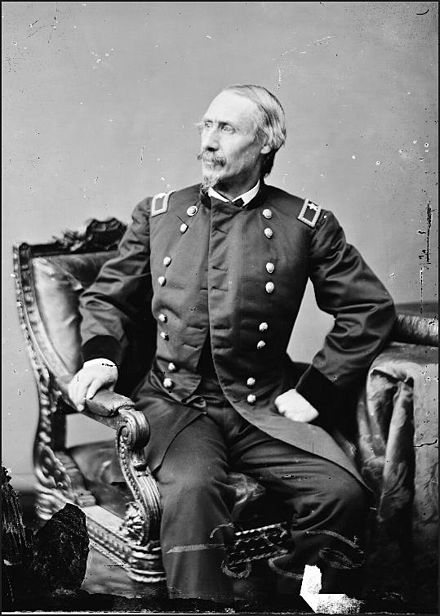
John's brother, Frederick Dent who introduced Ulysses S. Grant to his sister, Julia Dent.
John C. Dent was one of the sons of Colonel Frederick Fayette Dent, a prosperous St. Louis merchant and landowner whose estate, White Haven, became central to Grant family history.
The Dent family was part of the slaveholding Southern-leaning gentry of St. Louis County in the antebellum period. Their social standing and economic base placed them firmly within the upper tier of Missouri society, particularly in the decades leading up to the Civil War.
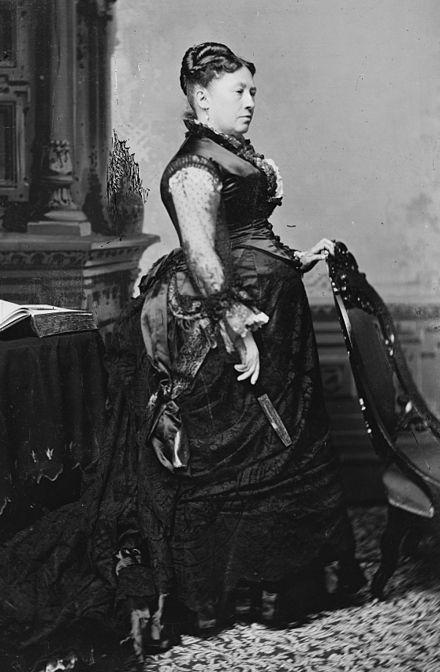
Julia Dent, sister of John and wife of General Ulysses S. Grant.
John’s sister, Julia Dent, married Ulysses S. Grant in 1848—binding the Dent family permanently to one of the most consequential figures in American history.
Connection to Ulysses S. Grant
Through Julia, John C. Dent became Grant’s brother-in-law. This relationship carried both personal and historical weight:
-
Grant spent significant time at White Haven, interacting regularly with the Dent family
-
The Dent household represented a Southern cultural influence on Grant during his early adulthood
-
Family divisions during the Civil War—common in border states like Missouri—likely affected relationships within the extended Dent family