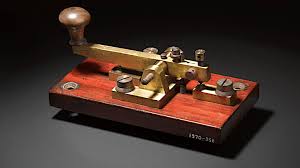
 Isaac McKendree Veitch
3117 Washington Avenue
Birth: July 20, 1816
City of Alexandria, Virginia
Death: May 22, 1884 (age 67)
Buried: Bellfontaine Cemetery
St. Louis, Missouri
Spouse: Henrietta Herrick Veitch (1828-1878)
 Western Telegraph Company - President
Hope Mutual Fire Insurance of St. Louis - President
419 Olive Street
Covenant Mutual Life Insurance Co of St. Louis - Director
4th and Locust Street
Order of the Odd Fellows - Eighteenth Grand Sire
Isaac M. Veitch
“The Great Pacificator of Odd Fellowship” and Builder of the Western Wires
Narrative Profile
In the decades following the American Civil War, when divisions lingered long after the guns had fallen silent, the rebuilding of American society required more than industry and capital—it required men capable of restoring connection. Not merely between cities, but between people.
Isaac M. Veitch was such a man.
Residing in St. Louis at the height of its 19th-century ascendancy, Veitch occupied a position that bridged multiple worlds: the emerging technological infrastructure of the nation, the stabilizing influence of fraternal institutions, and the practical realities of business and civic life. While many of his contemporaries achieved distinction within a single sphere, Veitch’s influence extended across several, each reinforcing the other.
He was, first and most visibly, a builder of communication itself.
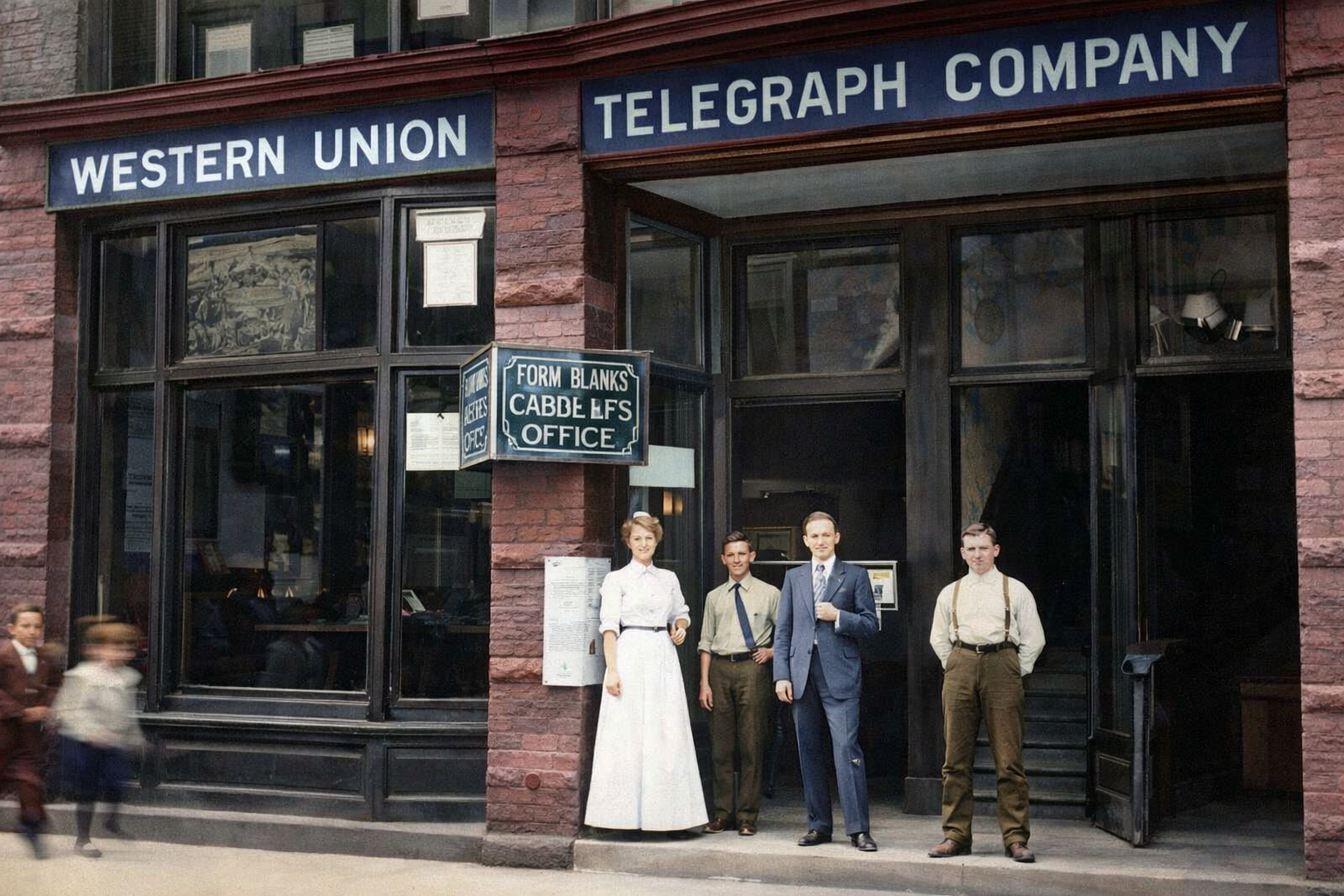
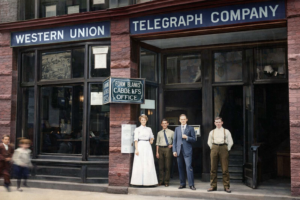 As a former president of the Western Telegraph Company—an early enterprise that would ultimately be absorbed into the expanding network of the Western Union Telegraph Company—Veitch stood at the forefront of one of the most transformative industries of the 19th century. It was his proud assertion that he had “built all the old lines west of Ohio,” a statement that, if taken even in part, places him among the principal architects of the telegraphic web that bound the American interior together.
This was no small claim. The regions west of the Ohio River represented the frontier of national integration—vast, developing, and logistically challenging. To string wire across those miles required not only technical knowledge, but organizational skill, financial coordination, and sheer persistence. The telegraph lines Veitch helped construct carried more than messages; they carried commerce, governance, and the very cohesion of a growing nation.
The Telegraph World He Helped Build
 By the 1870s, St. Louis had become a central node in this expanding network. Telegraph lines radiated outward alongside railroads and river routes, tying the city into a continental system of communication.
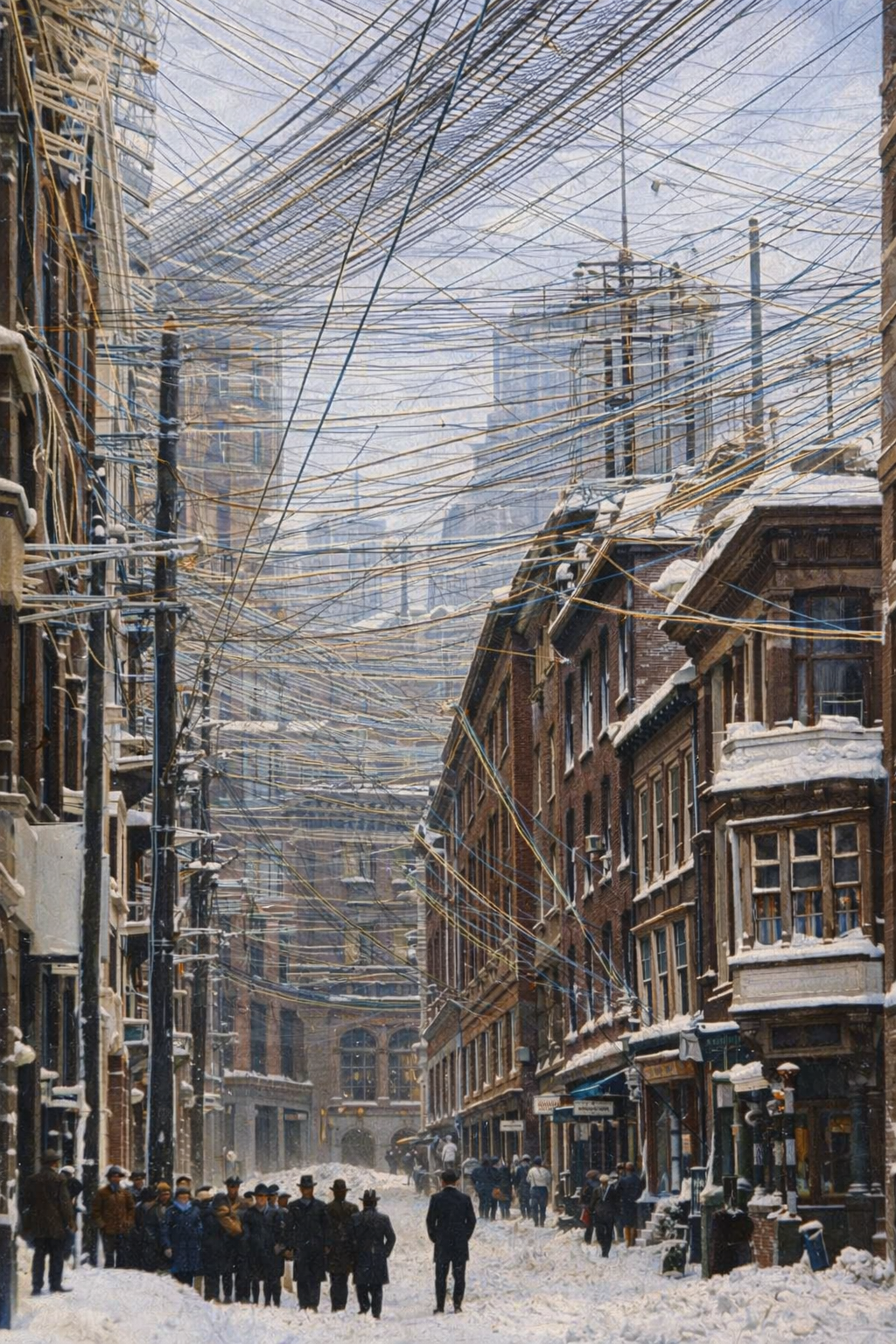
Through these wires flowed:
-
Market prices that governed trade
-
Railroad dispatches that ensured safe passage
-
News that shaped public opinion
-
Personal messages that bound families across distance
Men like Veitch did not simply participate in this system—they made it possible.
A Different Kind of Reconstruction
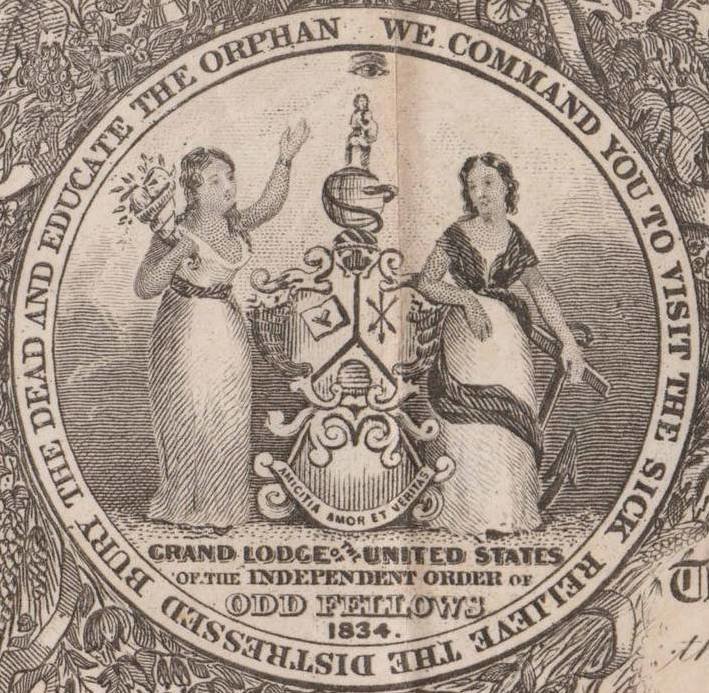
Order of the Odd Fellows Emblem
Yet, if the telegraph represented the physical reunification of the nation, Veitch’s work within the Independent Order of Odd Fellows reflected a more human form of reconstruction.
He rose to become the Eighteenth Grand Sire of the Sovereign Grand Lodge—the highest office within the Order—having previously served as Grand Master and Grand Secretary of the Missouri Grand Lodge. These were not honorary titles, but positions of real responsibility within one of the most influential fraternal organizations of the 19th century.
In the wake of the Civil War, fraternal orders like the Odd Fellows played a crucial role in reweaving the social fabric. They provided mutual aid, moral structure, and a framework for reconciliation among men who had recently stood on opposing sides of a national conflict.
It is here that Veitch earned the distinction recorded in his obituary:
“Beloved by his personal associates, revered by the great Order he had been so instrumental in reuniting after the storm of turmoil and war had passed away… the ‘great pacificator of Odd Fellowship.’”
This phrase—pacificator—is revealing. It suggests not merely leadership, but mediation, diplomacy, and the restoration of unity. Veitch’s legacy within the Order was not simply administrative; it was deeply human.
 Commerce, Stability, and Civic Presence
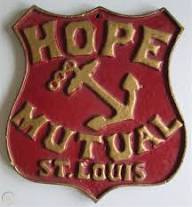
Veitch’s influence extended further still into the practical structures of urban life. As president of the Hope Mutual Fire Insurance Company, he participated in another essential aspect of a growing city: the management of risk.
Fire insurance in 19th-century St. Louis was no minor concern. In a city of dense construction, open flames, and industrial expansion, the threat of fire was constant. Institutions like Hope Mutual provided a measure of security that enabled continued growth and investment.
Here again, Veitch’s role aligns with a broader pattern—he was involved in systems that stabilized and connected:
-
Telegraph lines connected cities
-
Fraternal orders connected people
-
Insurance institutions protected property and enterprise
Interpretive Significance within Lucas & Garrison
Within the context of Plate 71, Isaac M. Veitch stands apart even among an accomplished group of residents. He was not simply a participant in St. Louis society—he was a facilitator of its cohesion. Where others represent wealth, profession, or status, Veitch represents integration:
-
Geographic integration through telegraph infrastructure
-
Social integration through fraternal leadership
-
Economic stability through insurance enterprise