
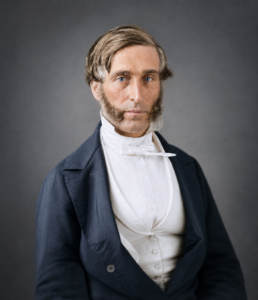
 Seth A. Ranlett
2670 Washington Avenue
Provident Savings Institution
Gould Directory, 1875
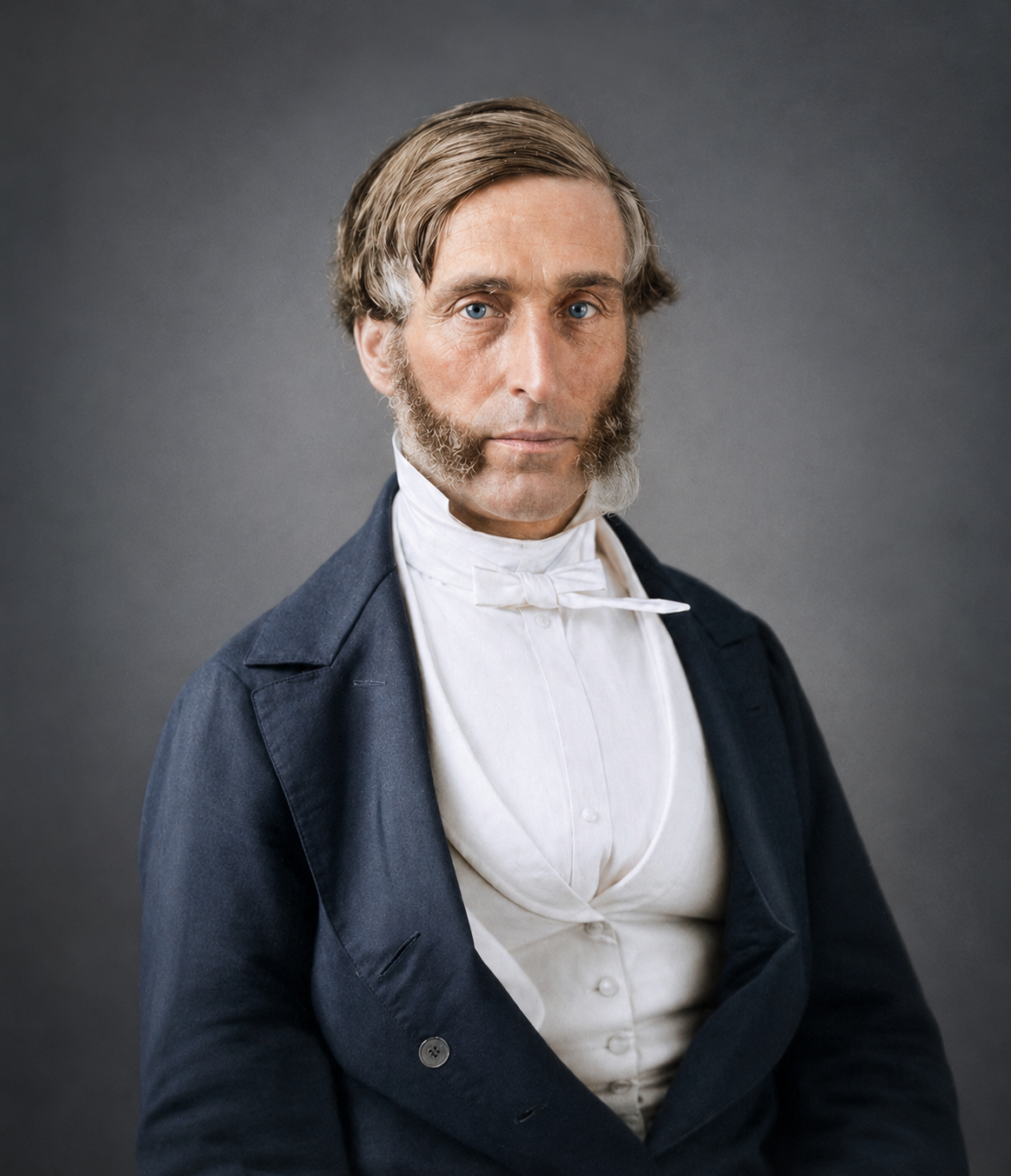
In the years following the Civil War, as St. Louis positioned itself as the intellectual and moral crossroads of the Mississippi Valley, few residents of the Lucas and Garrison district embodied that aspiration more quietly—and more completely—than Seth A. Ranlett. Listed in the 1875 Gould Directory as associated with the Provident Savings Institution, Ranlett’s public identity suggests a man engaged in the steady, stabilizing work of finance. Yet beneath that surface lay a life deeply interwoven with the reformist, educational, and spiritual currents shaping the city’s future.
Ranlett was not native to St. Louis. Like many who would come to define its postwar character, he arrived from the East—in his case, from New York—drawn by a sense of mission as much as opportunity. He belonged to that distinct mid-nineteenth-century migration of reformers, educators, and religious thinkers who viewed the American West not merely as a frontier to be settled, but as a society to be shaped. St. Louis, poised between East and West, became their proving ground.
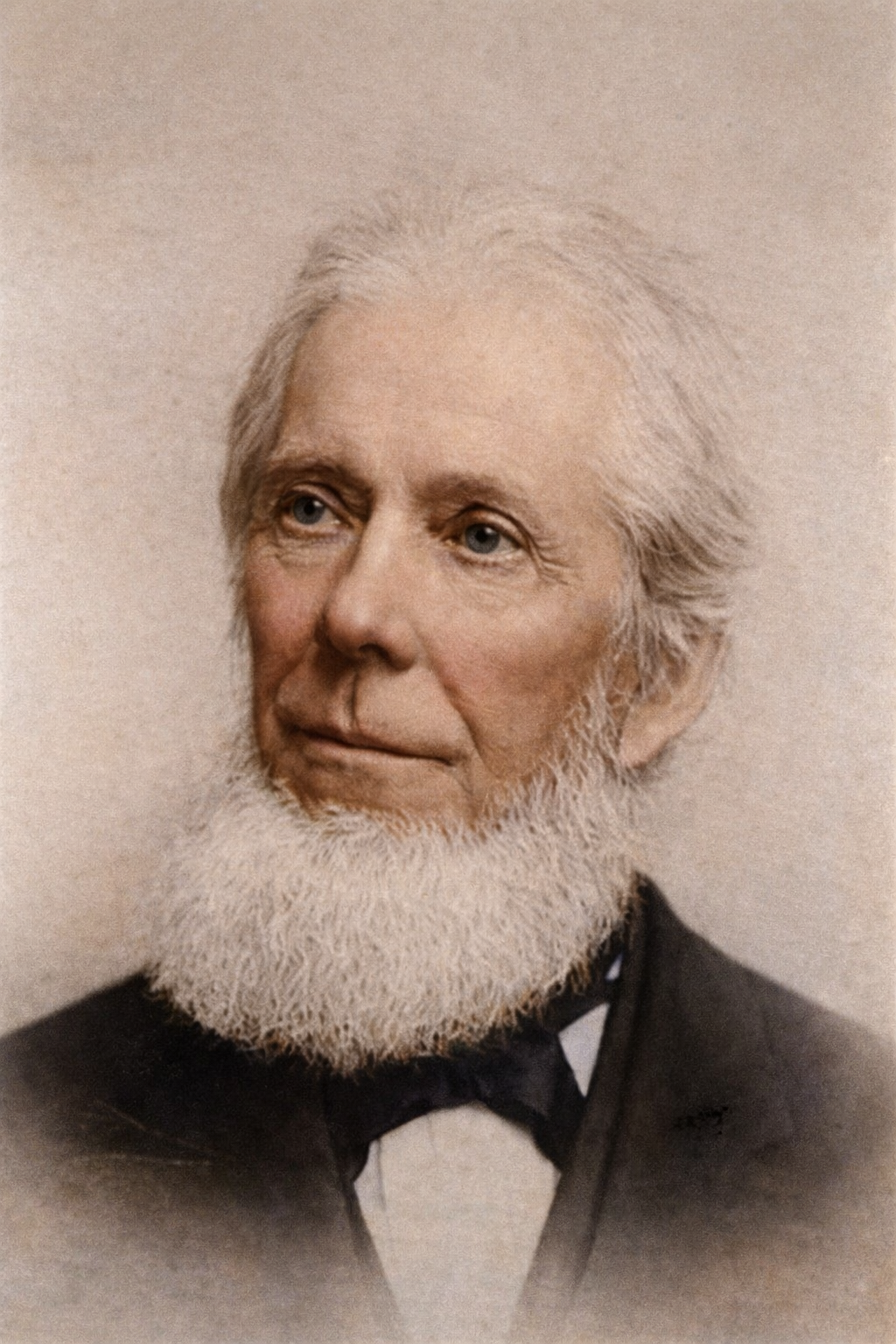
William Greenleaf Eliot
Central to Ranlett’s life in the city was his association with the influential Unitarian minister William Greenleaf Eliot. Through Eliot’s Church of the Messiah, Ranlett found both spiritual grounding and intellectual companionship among a circle of civic leaders who believed that education, moral philosophy, and public service were inseparable. This was no small affiliation. Eliot’s network helped give rise to some of the most enduring institutions in St. Louis, including what would become Washington University in St. Louis.
Ranlett’s role within that world was not peripheral. He served as a director of Washington University during its formative years, contributing to the shaping of an institution that sought to elevate the intellectual life of the region. His involvement suggests a man trusted not merely for his means, but for his judgment and vision—qualities equally reflected in his service on the St. Louis school board. In that capacity, Ranlett participated in the ongoing effort to build a public education system worthy of a growing metropolis, one capable of serving both its established citizens and its rapidly expanding population.
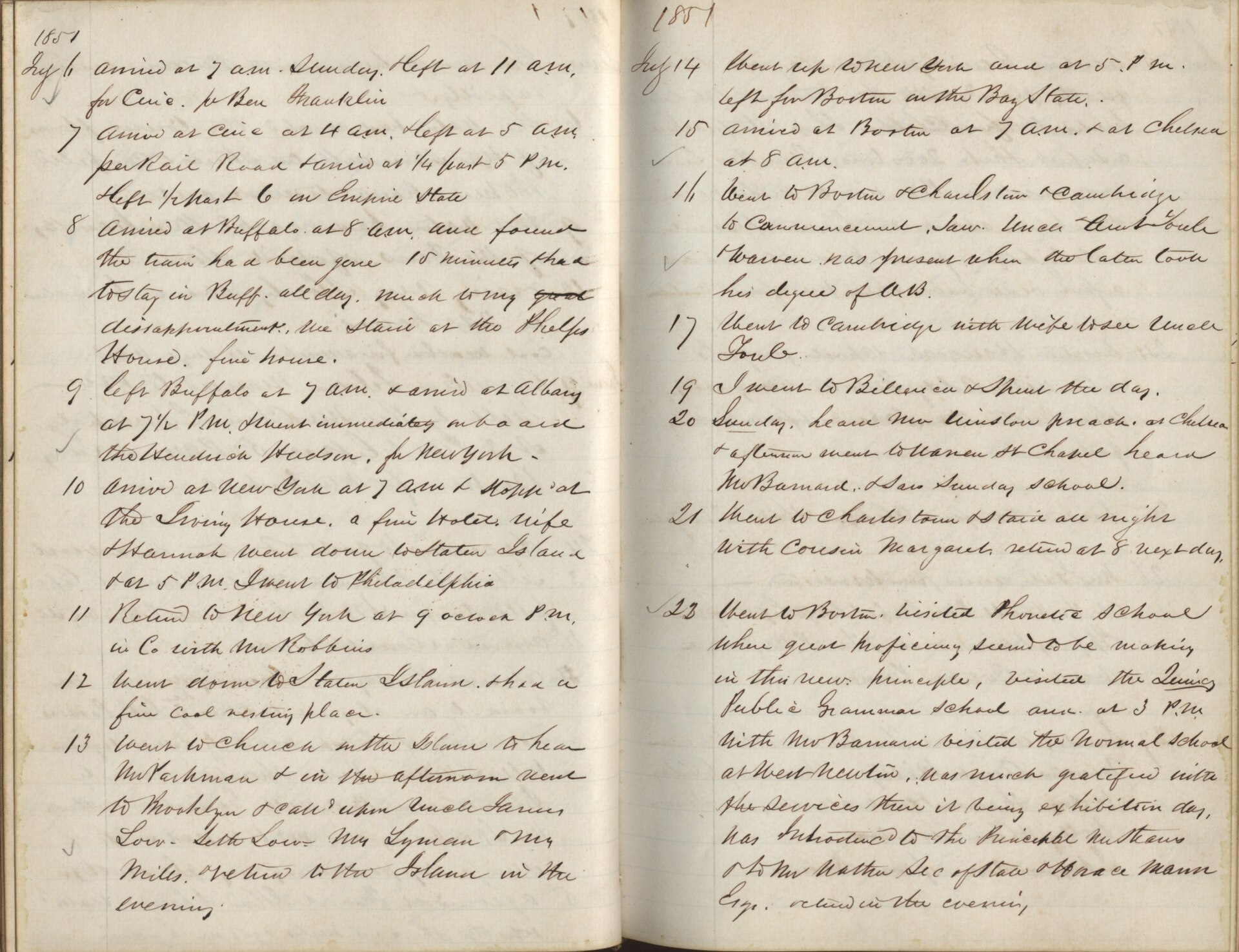
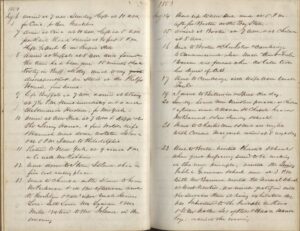 Yet perhaps the most revealing window into Ranlett’s life—and into the broader social fabric of Plate 71—is his diary, kept from 1850 until his death in 1881 and continued by his wife thereafter. Within its pages, the formal titles of director and board member give way to something more intimate: a lived record of conversation, observation, and reflection. The diary moves fluidly between the personal and the public, capturing encounters with figures such as Chester Harding and Thomas Hart Benton, while also documenting the rhythms of daily life in a city striving to define itself.
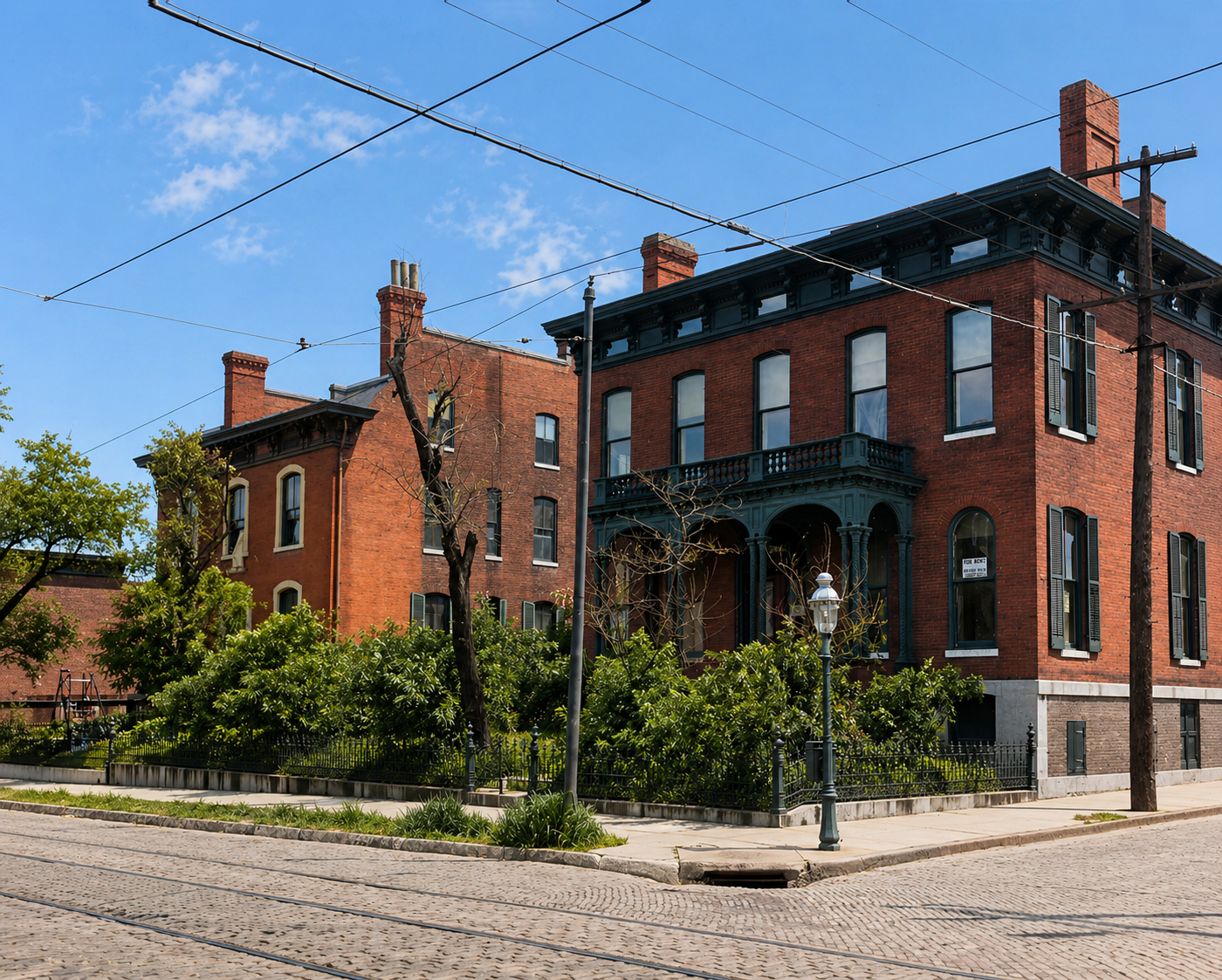
Eliot and Ranlett Homes
2660 and 2670 Washington Avenue