
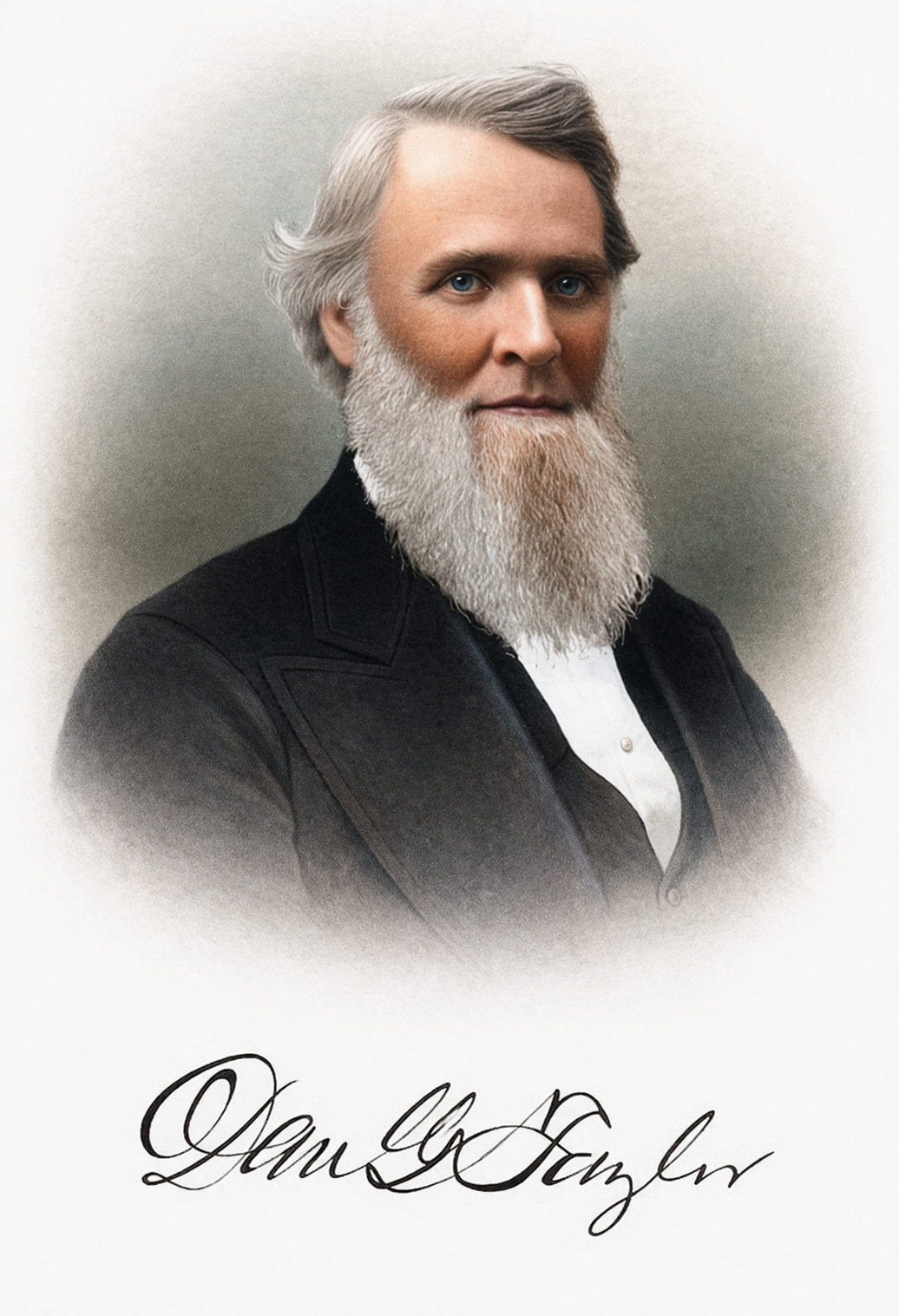
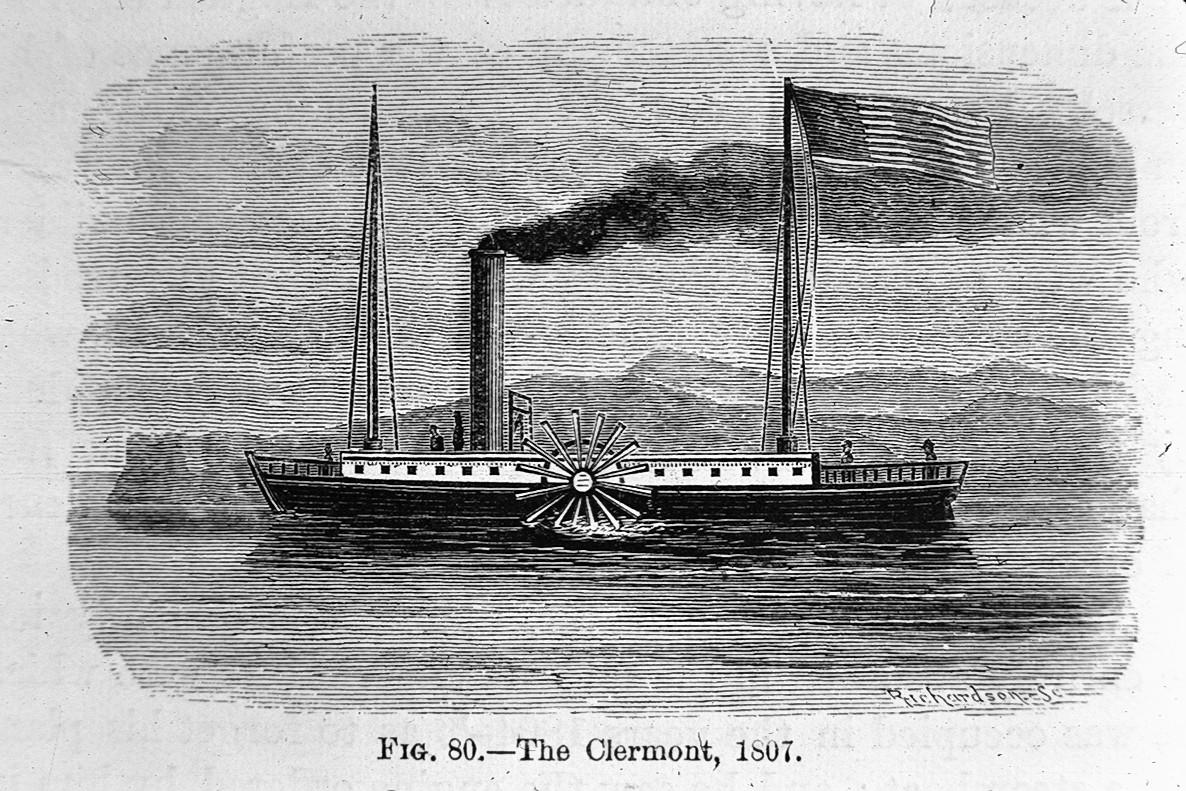
 He was master of the steamer "Clermont," which, in 1845, went up the Yellowstone River on a trading expedition under the auspices of Pierre Chouteau and his associates, who had succeeded to the business of the American Fur Company in St. Louis and throughout the vast region which the fur traders had made tributary to this city.
 He had just completed the purchase of the ship-chandlery business of Shaw & Zuntz when the great fire of 1849 swept away his newly acquired possesions, and seriously crippled him financially, as a result of his having no insurance on his goods. He then established the steamboat agency of Taylor & Hopkins, and some time later became also head of the wholesale liquor house of Taylor & Horrington.
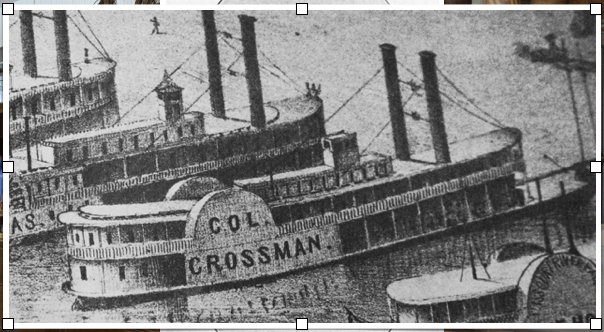 Accompanied by his wife and two children, Mr. Taylor was aboard the steamboat "Crossman" when it blew up on the Mississippi River, in the spring of 1858. Mrs. Taylor and one of the children lost their lives in this disaster, Mr. Taylor and the other child escaping unhurt. In 1860 he married for his second wife Miss Emilie Lebeau, a daughter of Chauvin V. Lebeau, of St. Louis. Mrs. Taylor survived her husband, dying in this city six years later. His surviving children are: Zoe Taylor, born of his first marriage, and now Mrs. Walter B. Hill, of San Jose, California; Angelique Taylor, Grace Taylor and Daniel G. 'Taylor, Jr., born of his second marriage. His son is a resident of St. Louis, and a well known member of the bar of this city. Encyclopedia of the History of St. Louis.