Cities of the Dead
 Bellefontaine and Calvary Cemeteries as the Continuing Social Geography of Lucas and Garrison
By 1875, the residents of the Lucas and Garrison neighborhood occupied one of the most prosperous and influential residential districts in St. Louis. Along Lucas Avenue, Olive Street, Pine Avenue, Morgan Street, Washington Avenue, and Garrison Avenue lived industrialists, merchants, clergy, physicians, railroad executives, financiers, attorneys, educators, and civic leaders whose combined efforts helped shape the growth of the city during the explosive decades following the Civil War.
Yet one of the most remarkable discoveries emerging from the study of these residents is not found in their homes, businesses, or churches. It is found in their cemeteries.
Again and again, while tracing the lives of the people of Plate 71, the same names reappear within two great burial landscapes of St. Louis: Bellefontaine Cemetery and Calvary Cemetery.
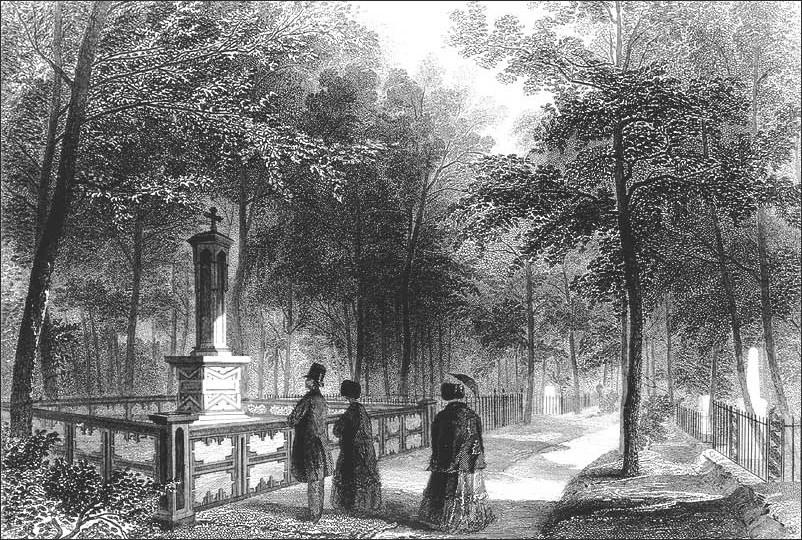
At first glance this may seem unsurprising. Wealthy families were buried in prominent cemeteries. Catholic families were often buried in Catholic cemeteries. But over time a deeper pattern begins to emerge. These burial grounds were not merely places of interment. They became continuing maps of the social, religious, civic, and economic networks that shaped nineteenth-century St. Louis.
The same men who served together on railroad boards, bank directorates, charitable organizations, church vestries, industrial firms, and civic commissions often remained together in death. The cemeteries became a continuation of the city itself.
 The Rural Cemetery Movement
To understand Bellefontaine and Calvary in 1875, it is important to understand the broader “rural cemetery movement” that swept across America during the nineteenth century.
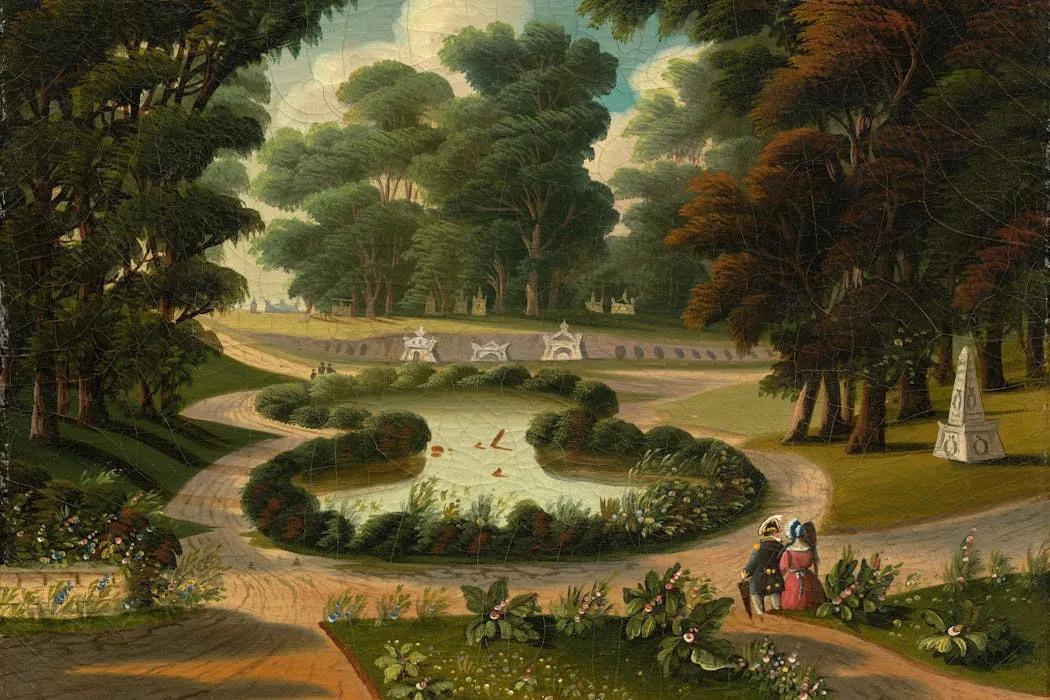
Earlier urban graveyards had often been overcrowded churchyards located within dense city centers. By the 1830s and 1840s, however, Americans increasingly embraced a new concept: large landscaped cemeteries located outside the crowded urban core, designed not merely as burial grounds but as places of beauty, contemplation, and public recreation.
These cemeteries featured:
-
winding carriage roads,
-
ornamental lakes,
-
rolling hills,
-
carefully planted trees,
-
monumental sculpture,
-
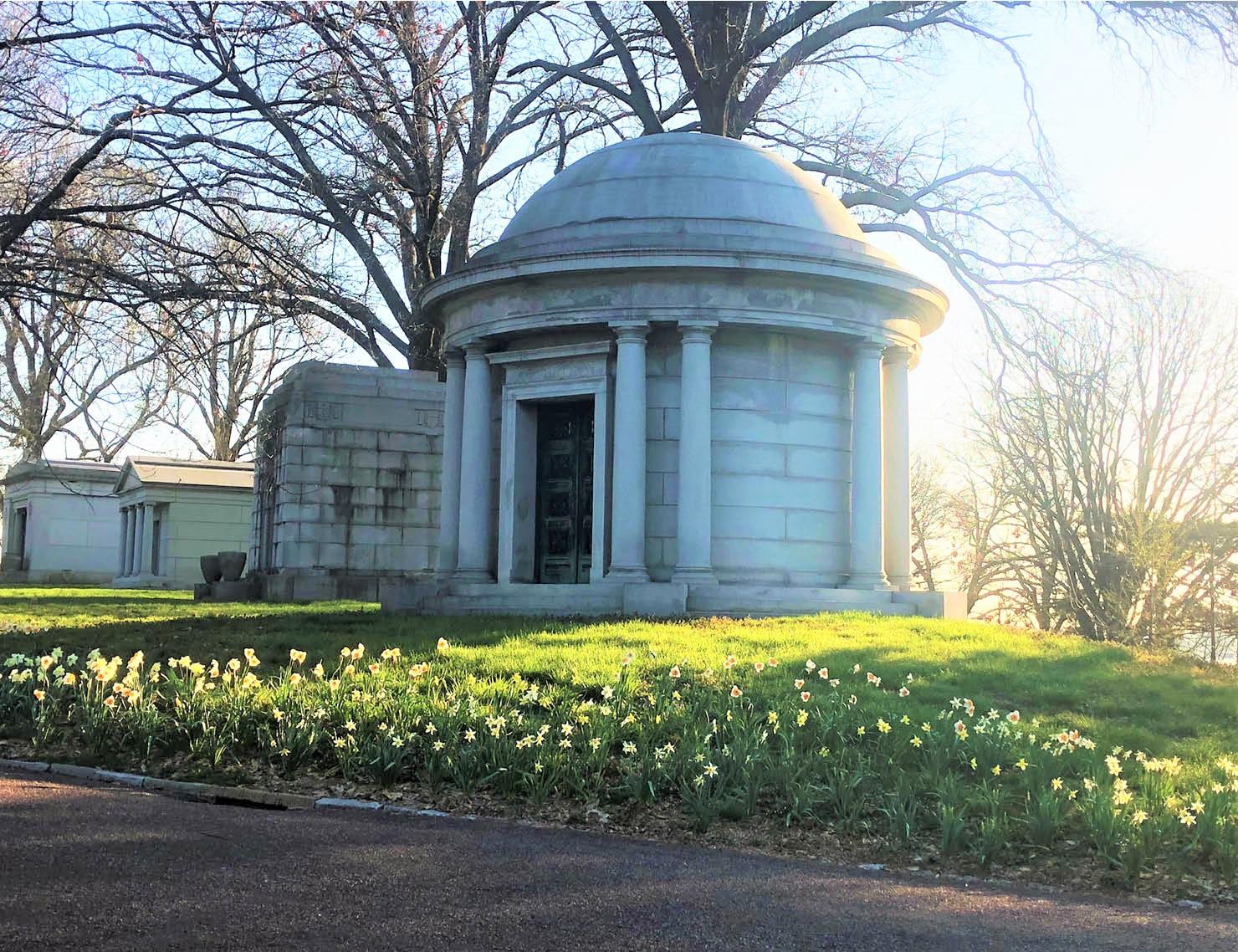
elaborate mausoleums,
-
and picturesque vistas.
In many American cities they became among the first truly public landscaped spaces long before the rise of major urban parks.
The cemetery became a statement about civilization itself. For St. Louis, Bellefontaine emerged as perhaps the grandest expression of this ideal.
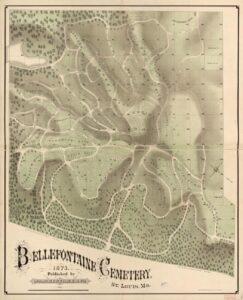 Bellefontaine Cemetery — The Landscape of the Protestant Civic Elite
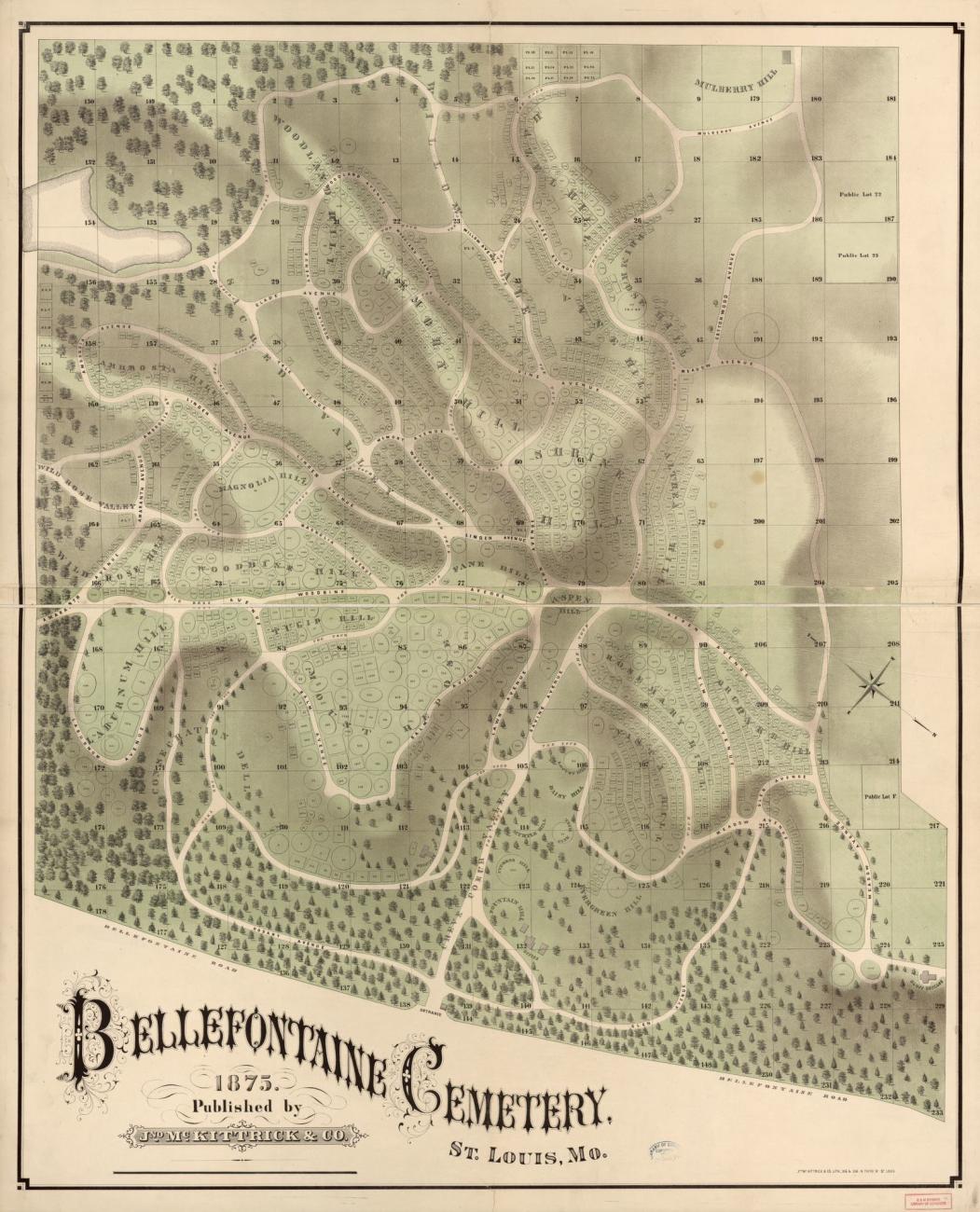
Founded in 1849 northwest of the city, Bellefontaine Cemetery rapidly became the preferred resting place for much of Protestant and mercantile St. Louis society.
By the time the residents of Lucas and Garrison occupied their elegant homes in 1875, Bellefontaine had already become a symbolic extension of the city’s leadership class. Industrialists, bankers, politicians, physicians, military officers, clergy, and wealthy merchants secured family plots there, often marked by elaborate monuments intended to preserve both memory and social standing.
As the Lucas and Garrison project has unfolded, an astonishing number of residents and connected figures have ultimately led back to Bellefontaine:
-
merchants and wholesalers,
-
railroad executives,
-
industrial manufacturers,
-
physicians,
-
Episcopal clergy,
-
Civil War officers,
-
civic reformers,
-
and old St. Louis families whose influence stretched across generations.
The cemetery itself became a physical map of interconnected power and influence.
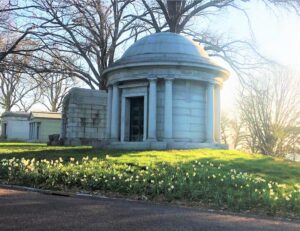 Families buried near one another often shared:
-
business relationships,
-
church affiliations,
-
marriage alliances,
-
educational institutions,
-
political loyalties,
-
and social organizations.
The same civic ecosystem visible along Lucas and Garrison continued quietly among the monuments and winding roads of Bellefontaine. In this way, the cemetery became not merely a resting place for individuals, but an enduring archive of the city’s social structure.
 Calvary Cemetery — The Landscape of Catholic St. Louis
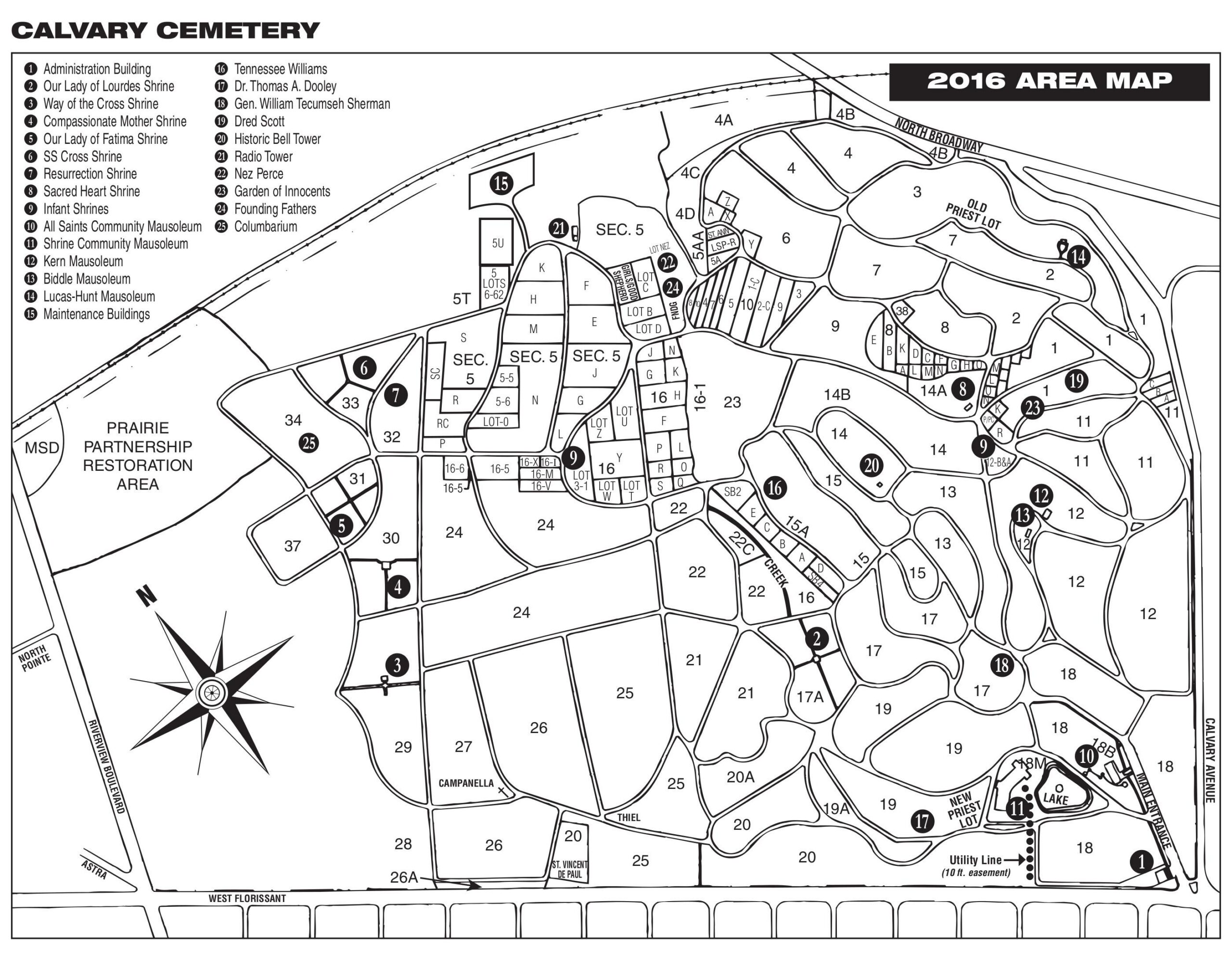
While Bellefontaine reflected much of Protestant and mercantile elite St. Louis, Calvary Cemetery tells another essential story of the city.
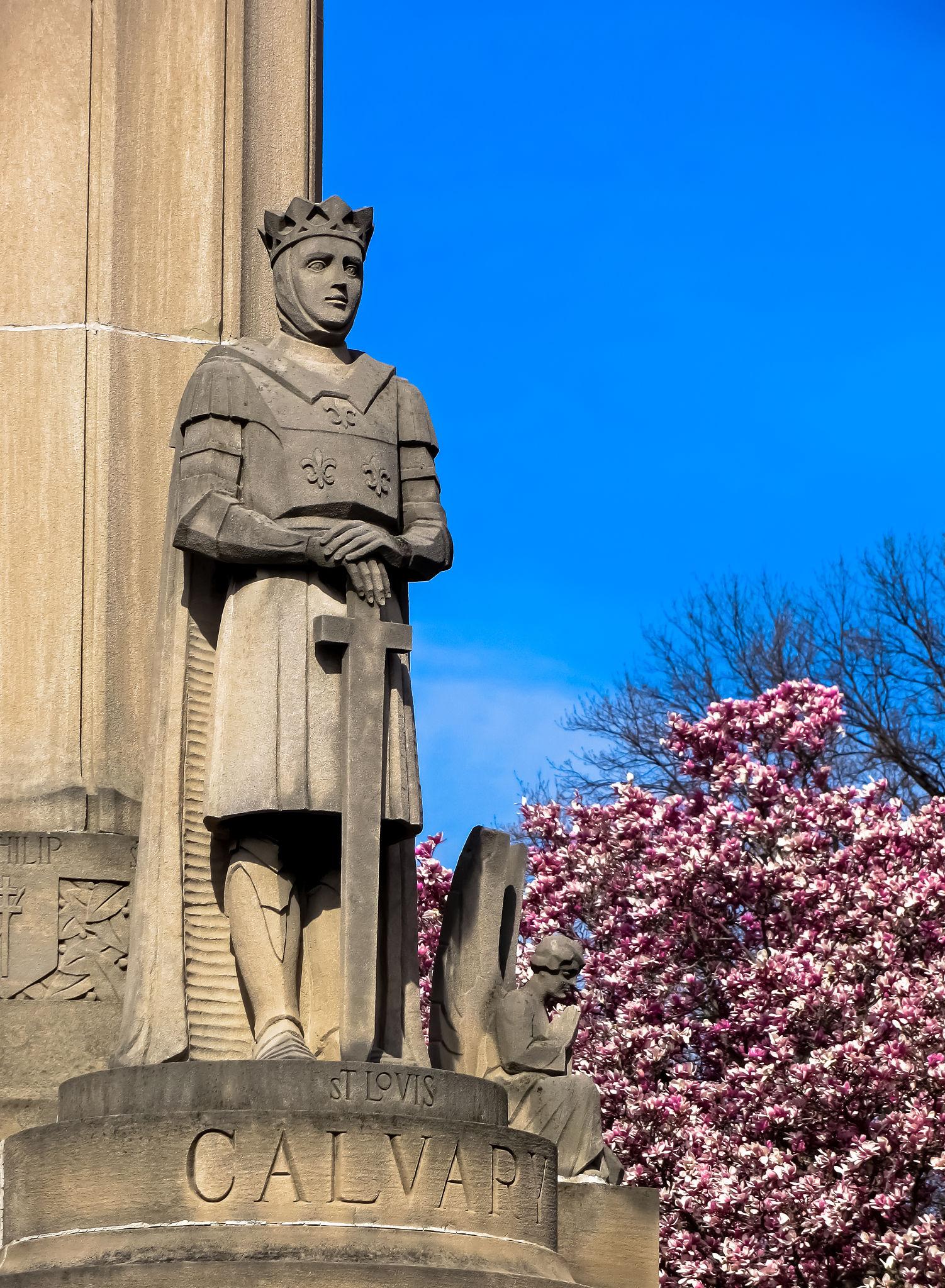
Established in 1854 under the authority of the Catholic Church, Calvary became one of the great centers of Catholic memory in St. Louis. Bishops, priests, religious orders, immigrant families, and Catholic civic leaders all found burial there.
 In many ways, Calvary reflects the immense growth of Catholic St. Louis during the nineteenth century:
-
Irish immigrants,
-
German Catholic communities,
-
parish networks,
-
charitable institutions,
-
Catholic schools,
-
hospitals,
-
orphanages,
-
and religious societies.
Yet the divisions between Bellefontaine and Calvary were never entirely rigid. The city’s industrial, commercial, and political worlds frequently overlapped. Protestant businessmen and Catholic merchants served on the same boards, financed the same projects, and participated in the same civic expansion of St. Louis.
Together, the two cemeteries reveal the layered complexity of the city’s social fabric.
 The Cemeteries as Extensions of the Neighborhood
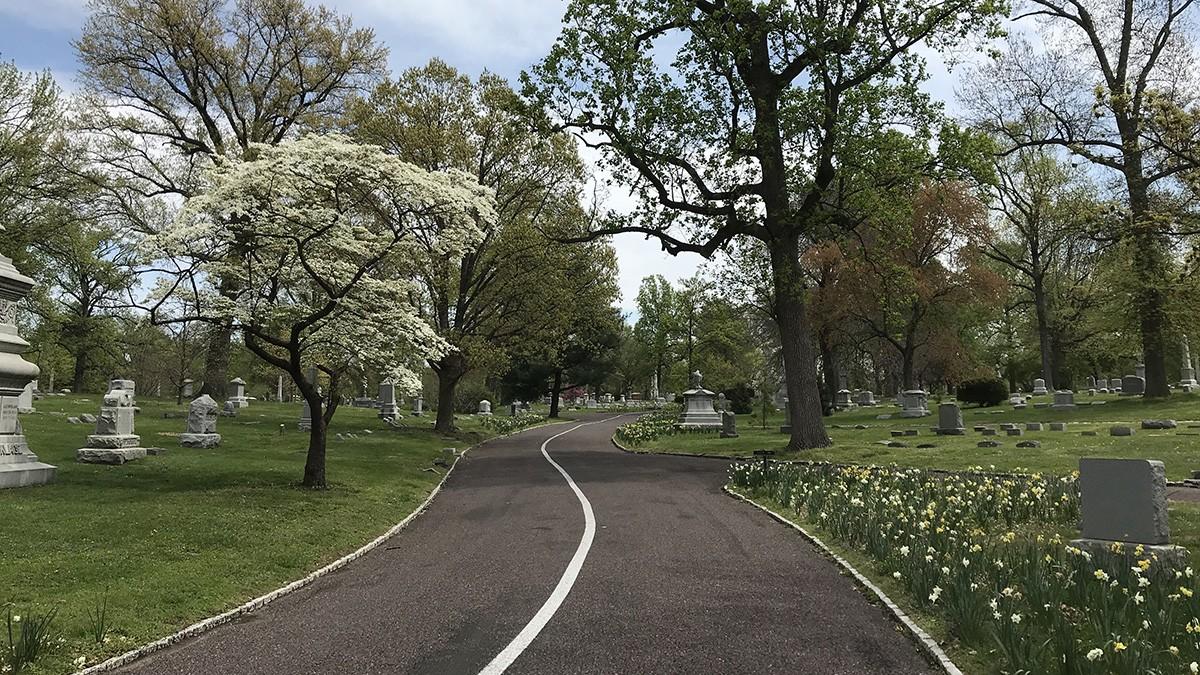
Perhaps the most striking realization emerging from the Lucas and Garrison study is that these cemeteries function almost as a continuation of the neighborhood itself.
The residents of Plate 71:
-
lived near one another,
-
worshipped together,
-
conducted business together,
-
joined the same civic organizations,
-
invested in the same industries,
-
and often remained connected for decades.
Their final resting places preserved those relationships geographically.
Modern Americans often experience life in fragmented and transient ways. Careers shift rapidly. Families disperse. Communities dissolve and reform. But nineteenth-century urban life—especially among established civic classes—often operated through long-term, overlapping human networks rooted in place, institution, and shared investment in the future of the city.
Bellefontaine and Calvary preserve the physical evidence of those networks.
Walking their roads today is, in many respects, walking through the extended social landscape of Lucas and Garrison itself.
The Meaning of Continuity
 The great irony of cemeteries is that while they are places associated with death, they also preserve continuity.
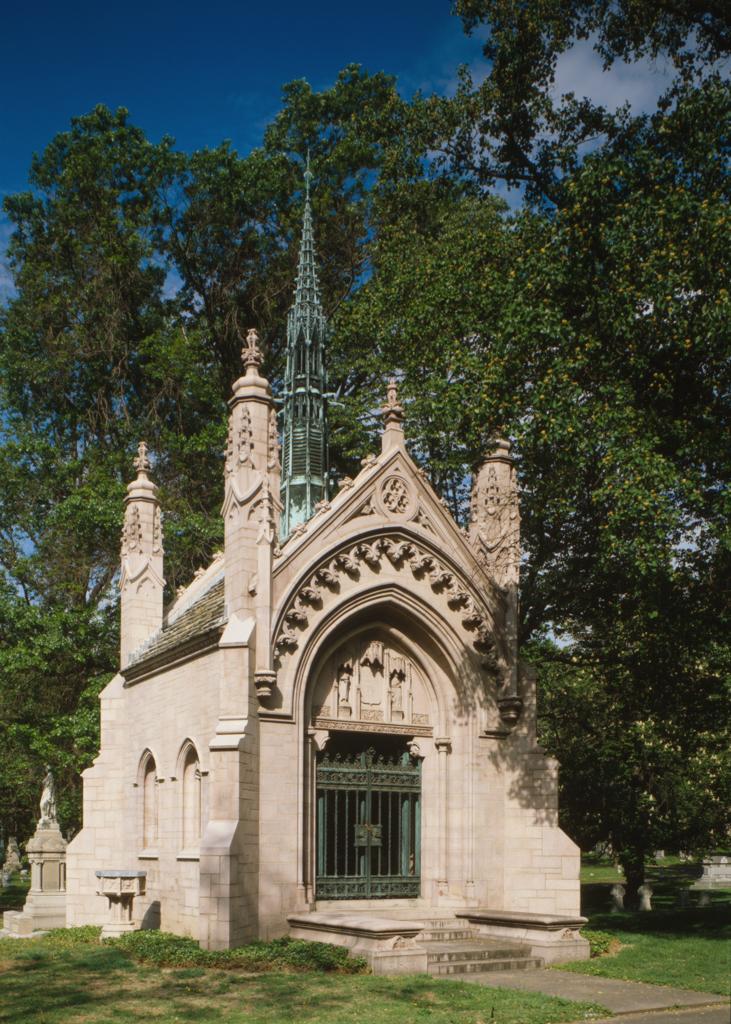
The people buried at Bellefontaine and Calvary built:
-
churches,
-
railroads,
-
schools,
-
hospitals,
-
factories,
-
banks,
-
charitable institutions,
-
newspapers,
-
parks,
-
and neighborhoods.