St. Louis Gas Company

The rise of the St. Louis Gas Company was not simply a technological development; it was the product of a small circle of ambitious civic leaders who recognized that control of light and energy meant control of the city’s future. In St. Louis, as in other rapidly growing American cities, the gas industry emerged through a close partnership—often uneasy—between private capital and public authority.

Among the earliest and most influential figures was James H. Lucas, a former mayor and prominent businessman whose name is already deeply embedded in your Lucas Avenue geography. Lucas was representative of a class of mid-nineteenth-century St. Louis leaders who saw infrastructure not as a public burden but as an opportunity for civic and financial advancement. Men like Lucas advocated for the introduction of gas lighting as a necessary step in elevating St. Louis to compete with eastern cities such as New York and Philadelphia. Their influence helped secure early charters and municipal permissions that allowed private gas companies to lay mains beneath city streets.

Equally significant was Erastus Wells, better known for his role in the street railway system but emblematic of the interconnected nature of urban utilities. Wells and his contemporaries operated in overlapping spheres of influence—transportation, lighting, and real estate development. Gas lighting and street railways were mutually reinforcing: illuminated streets made evening travel safer and more attractive, while expanded transit networks increased demand for well-lit thoroughfares. Figures like Wells understood that these systems were part of a larger urban organism, and their political leverage helped ensure continued investment and expansion.

By the post–Civil War period, the gas industry in St. Louis had matured into a powerful quasi-monopoly, overseen by a board of directors drawn from the city’s commercial elite. While individual names are less prominently remembered than the institutions themselves, these directors were often the same men who sat on bank boards, funded railroads, and influenced municipal policy. Their dual roles blurred the line between public service and private interest. They negotiated franchises with the city, set rates, and determined where infrastructure would be expanded—decisions that directly shaped patterns of urban development.
Municipal government also played a critical role, particularly through the office of the mayor and the city council. Successive administrations grappled with how to regulate the gas industry without discouraging investment. The granting of exclusive rights to lay gas mains effectively created monopolistic conditions, and by the 1870s complaints about pricing and service had become common. Civic leaders were thus forced into a balancing act: maintaining favorable conditions for infrastructure development while responding to public pressure for accountability.

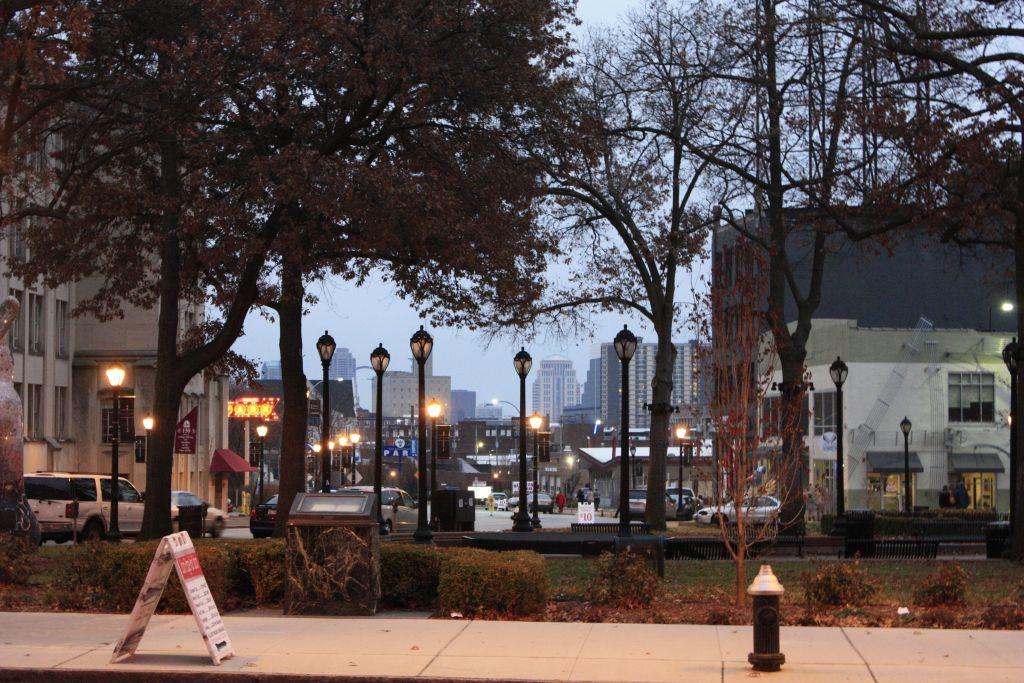
This tension is especially relevant to the world of Plate 71. The very men who benefited from gas illumination—wealthy residents along Lucas Avenue and Garrison Street—were often the same individuals who influenced or directly participated in the governance of the companies providing it. Gas lighting within their homes symbolized refinement and progress, yet it was also a visible manifestation of their broader control over the city’s economic systems.

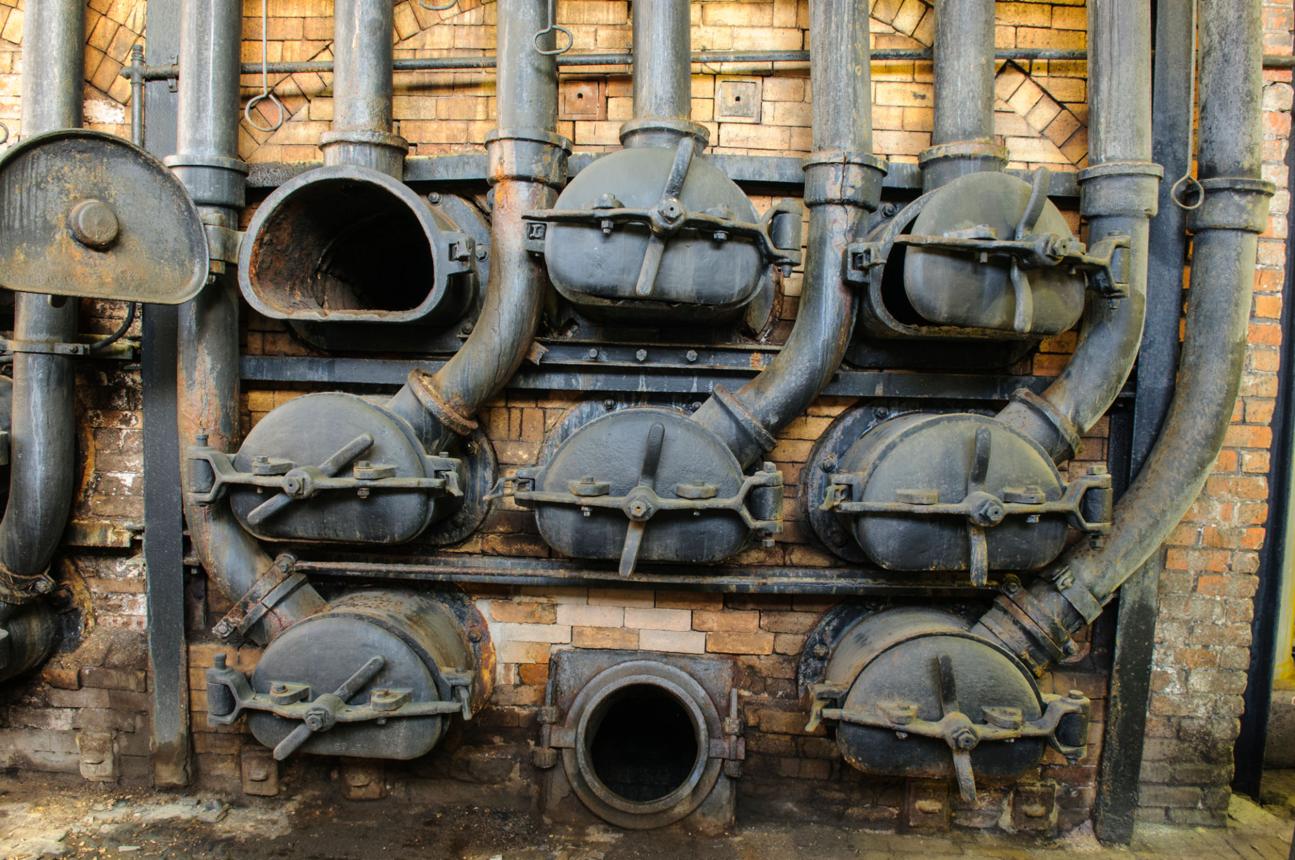
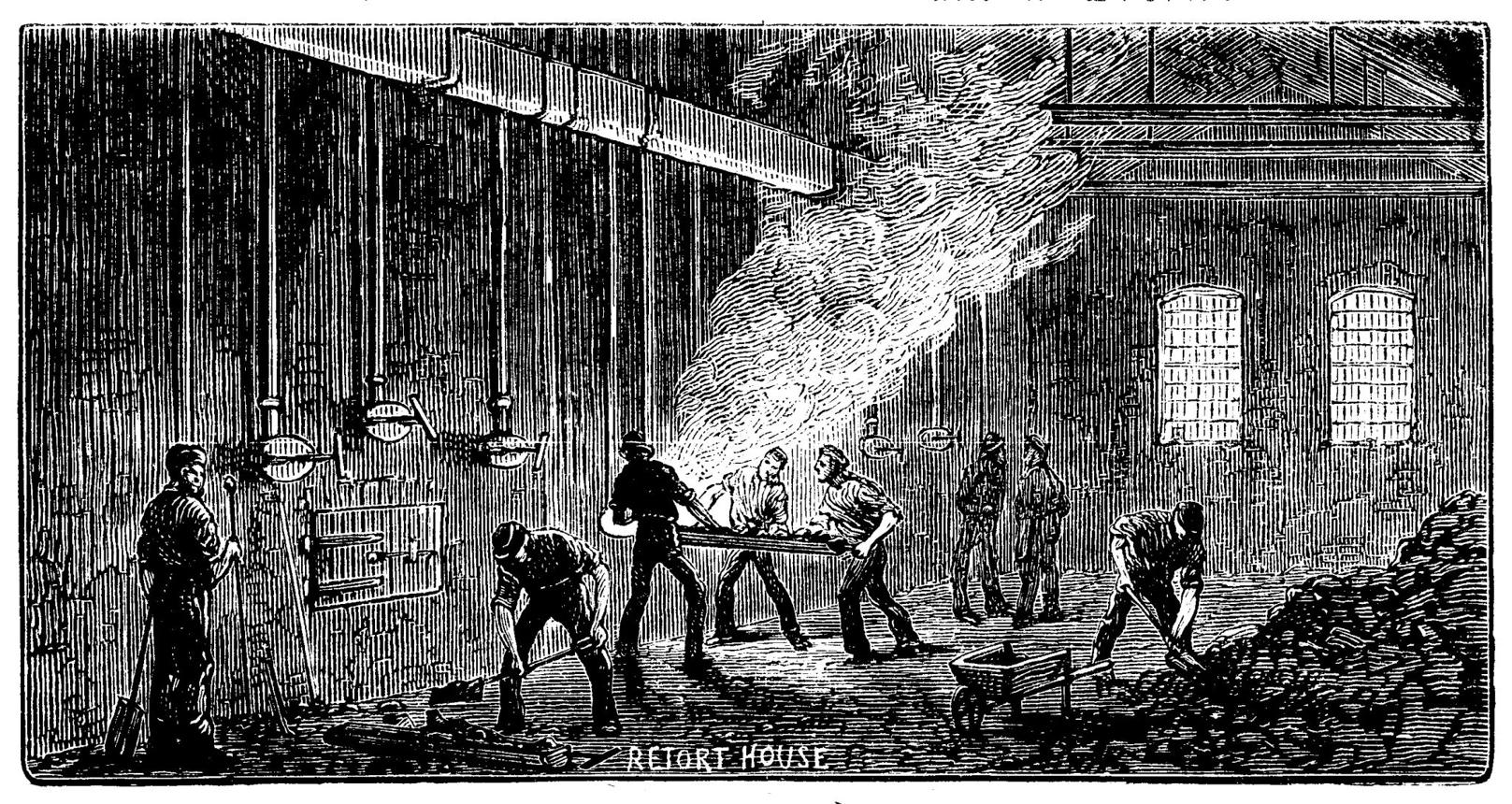
It is also worth noting that the maintenance of the gas system required a different kind of leadership—engineers, superintendents, and skilled laborers who ensured the continuous production and distribution of gas. While less celebrated than financiers and politicians, these figures were essential to the system’s reliability. The operation of gas works, with their complex retorts and purification processes, demanded technical expertise that placed St. Louis within a growing network of industrial knowledge.

By the late nineteenth century, as electric lighting began to challenge gas, many of these same civic leaders were again at the forefront of transition, investing in or regulating the next generation of urban infrastructure. Yet the legacy of the gas era remained profound. The introduction and expansion of gas lighting had already redefined St. Louis—extending its commercial life into the night, enhancing its sense of safety and order, and reinforcing the authority of the civic elite who brought it into being.

In this sense, the St. Louis gas industry was not merely a utility; it was a reflection of the city’s power structure. Its pipes ran beneath the streets, but its true foundations lay in the ambitions and decisions of the men who sought to illuminate—and in many ways control—the growing metropolis.