Term as Mayor: 1850-1853 Born: Mar. 15, 1807- Falmouth, Kentucky Died: Apr. 12, 1873- Paris, France Buried: Belfontaine Cemetery, St. Louis, Missouri
The 1875 Compton and Dry Plate 71 actually lists Mrs. Luther M. Kennett as the resident of 2835 Pine in 1975. Her husband, Luther, had died two years earlier in April, 1873 in Paris.
Luther M. Kennett was the 13th mayor of St. Louis, serving three one-year terms from 1850 to 1853. Improving public health conditions in the city occupied much of his time, since his election followed less than a year after the City’s cholera epidemic. Ordinances were passed moving the quarantine station to Arsenal Island and erecting buildings to accommodate 500 persons. All boats bound for the City were required to stop there first and unload persons and baggage for a cholera inspection. About 2500 persons were detained from three to five days, and 120 were required to stay longer.
It was also during his administration that the main sewers on Biddle, Seventh, Ninth and Poplar Streets were completed. The office of Fire Inspector was created in 1850 for the supervision of the volunteer companies. The harbor improvement dyke on Bloody Island was completed.
Mayor Kennett was active in the development of railroads for the area and became president of the Iron Mountain Railway Company in 1853. He was also vice president of the Pacific Railroad Company at its inception, and upon the completion of the first 37 miles of rail, delivered a noted address in opening it to traffic.
Mayor Kennett was born at Falmouth, KY and came to St. Louis in 1825. In time he became a partner with St. Louis merchant Hugh Lawson White. He was first married in 1832 to Miss Martha Ann Boyce, daughter of Colonel Boyce of Farmington, MO. She died in 1835, leaving one daughter. In 1842 he married his cousin, Miss Agnes A. Kennett, and seven sons were born to the family.
Kennett was elected alderman from the fourth ward in 1842 and served three years. He was re-elected in 1846 but soon resigned, because of ill health, to make a tour of Europe. He returned just a short time before the cholera epidemic of 1849. He was a member of Mayor Barry´s Citizens Committee to make recommendations on fighting cholera.
In 1854 he was elected to Congress as a member of the American Party, defeating ex-Senator Thomas Hart Benton. He helped to procure the right of way from the federal government through the grounds of Jefferson Barracks for the Iron Mountain Railroad. In 1856 he was defeated for re-election to Congress and retired to his country home, "Fairview" in St. Louis County. He died in Paris, France on April 12, 1873. Interment was in Bellefontaine Cemetery.

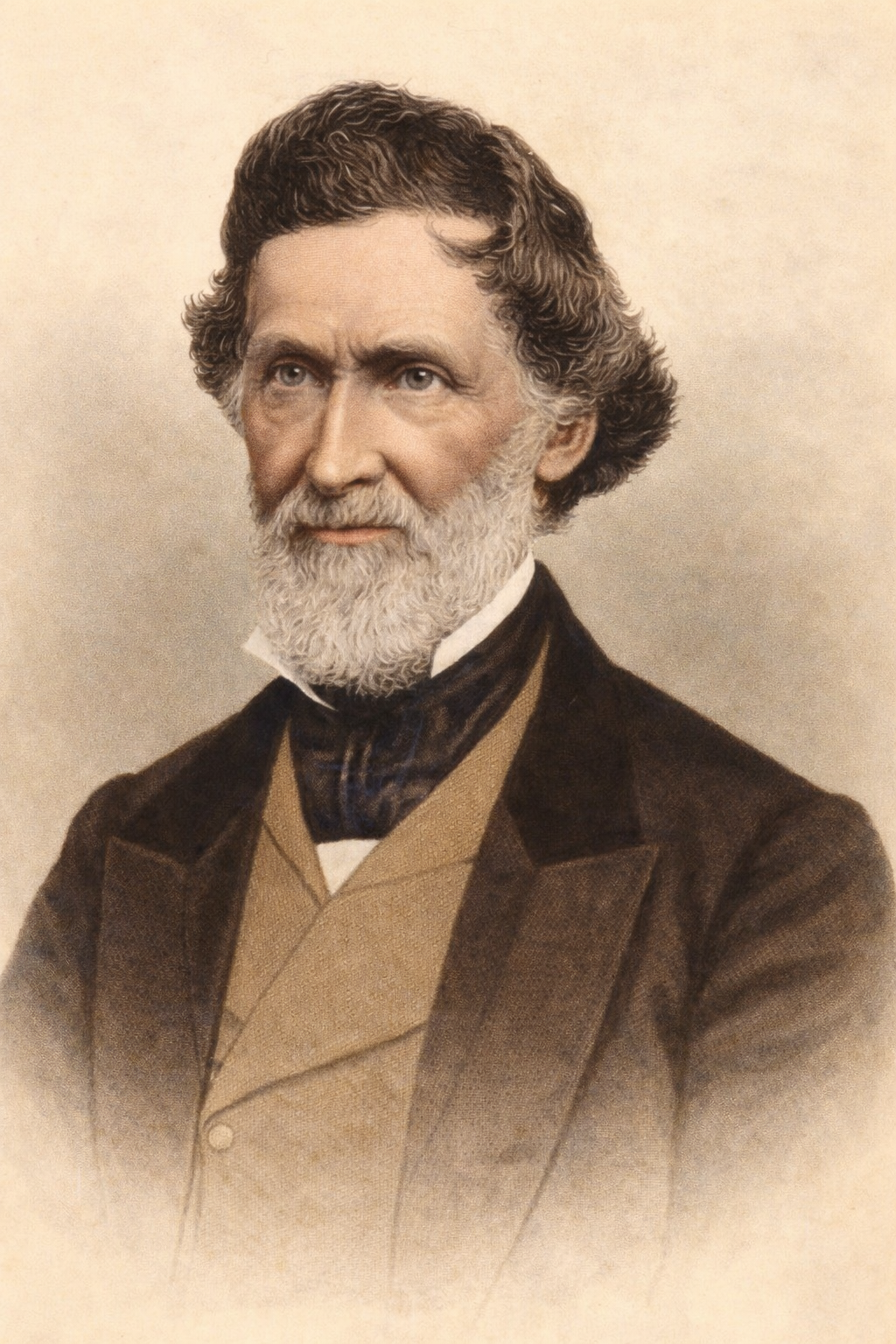 Kennett, Luther M.