Samuel Bonner
2828 Pine Street
Samuel Bonner & Co. – Heavy Hardware and Merchant Iron Dealer

Born: 1816
Pennsylvania, USA

Died: November 5, 1890 (age 74-74)
St. Louis, Missouri

Buried:
Bellefontaine Cemetery
St. Louis, Missouri

In 1875, Samuel Bonner was one of the many business leaders who lived in the Lucas and Garrison neighborhood while helping supply the materials that fueled St. Louis’s industrial growth. Residing at 2828 Pine Street, Bonner was the proprietor of Samuel Bonner & Co., a firm engaged in the sale of heavy hardware, merchant iron, nails, and related industrial materials essential to a rapidly expanding city.

Born in Pennsylvania in 1816, Bonner belonged to a generation that witnessed St. Louis transform from a frontier river town into one of the nation’s most important commercial centers. During the middle decades of the nineteenth century, the city’s growth created enormous demand for iron products. Railroads, warehouses, factories, bridges, riverfront facilities, and thousands of new homes all required a steady supply of hardware and structural materials. Men like Bonner stood at the center of this economic network, connecting manufacturers and wholesalers with the contractors, merchants, and industrial concerns that were reshaping the city.

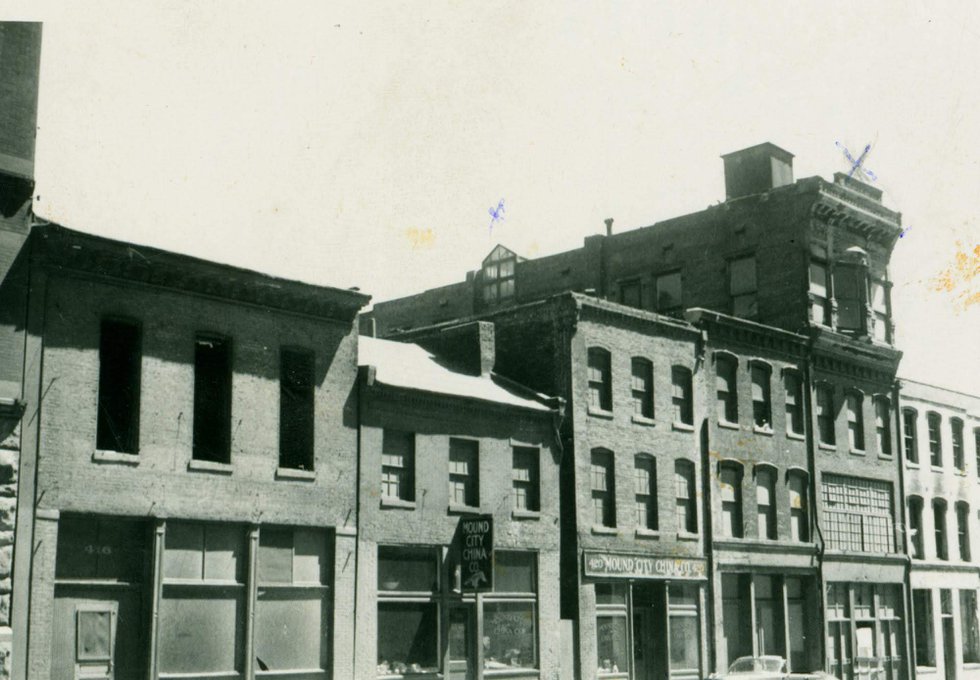
Samuel Bonner established his business by the early 1850s. At that time, Samuel Bonner & Co. operated from 174 North Second Street, a prime commercial location near the bustling riverfront district. The firm specialized in heavy hardware and merchant iron, supplying products that were indispensable to builders, transportation companies, and manufacturers. Its inventory likely included iron bars, rods, sheets, nails, spikes, and other hardware necessary for construction and industrial use.

The timing of Bonner’s business could hardly have been better. During the decades before and after the Civil War, St. Louis emerged as a transportation hub linking the Mississippi River Valley with the expanding American West. Railroads spread outward from the city, industries multiplied, and commercial districts grew block by block. Merchant iron dealers served as a vital link in this process, ensuring that raw materials reached the businesses and builders who needed them.

By the late 1870s, records indicate that Samuel Bonner & Co. had relocated its operations to 912 North Main Street, reflecting the continual evolution of the city’s commercial landscape. Financial documents from the period demonstrate that the company remained actively engaged in trade and commerce. Promissory notes and legal records from 1878 confirm that Bonner’s firm continued conducting business under the name Sam’l Bonner & Co., illustrating the importance of credit and commercial relationships in nineteenth-century St. Louis.

Although Samuel Bonner never achieved the public prominence of some of his neighbors on Plate 71, his career represents an important layer of the city’s economic foundation. The great industrialists, railroad executives, and civic leaders who often dominate historical narratives depended upon a broad network of merchants and suppliers whose businesses made growth possible. Bonner’s company furnished the practical materials that enabled construction, manufacturing, and transportation to flourish throughout the region.

Samuel Bonner died in St. Louis on November 5, 1890, at approximately seventy-four years of age. He was buried in Bellefontaine Cemetery, joining many other Lucas and Garrison residents whose lives helped shape nineteenth-century St. Louis. Though not widely remembered today, Bonner’s work as a merchant iron dealer contributed to the physical framework of a city that was rapidly becoming one of America’s great industrial centers.

Reflective Addendum

Samuel Bonner’s story reminds us that cities are not built solely by famous entrepreneurs, elected officials, or celebrated civic leaders. They are also built by the merchants who supply the iron, lumber, brick, and hardware that make growth possible. Every warehouse, factory, railroad facility, church, and residence required materials that passed through businesses like Samuel Bonner & Co.

The Lucas and Garrison project continually reveals these often-overlooked contributors to St. Louis’s success. Bonner may not have left behind a major institution bearing his name, but his work supported the infrastructure and commerce that allowed others to build, innovate, and prosper. His life serves as a reminder that a thriving city depends upon countless individuals whose contributions, though less visible, are every bit as essential to its growth and prosperity.