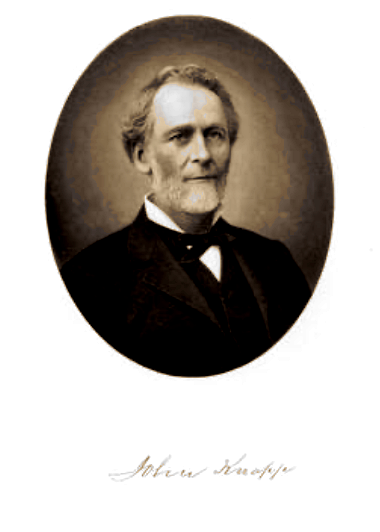
Colonel John Knapp
2732 Pine Avenue

Born: June 20, 1816

Died: June 11, 1818 (Age 72)
Saint Louis, MO
Burial: Calvary Cemetery and Mausoleum

Family Links:
Spouse: Virginia Wright Knapp

Children:
Charles Welbourne Knapp
Leigh O. Knapp
Lillie Frances Knapp Bloomfield
Captain John Joseph Knapp
Ada E. Knapp Dorrance
Alice Knapp Almy

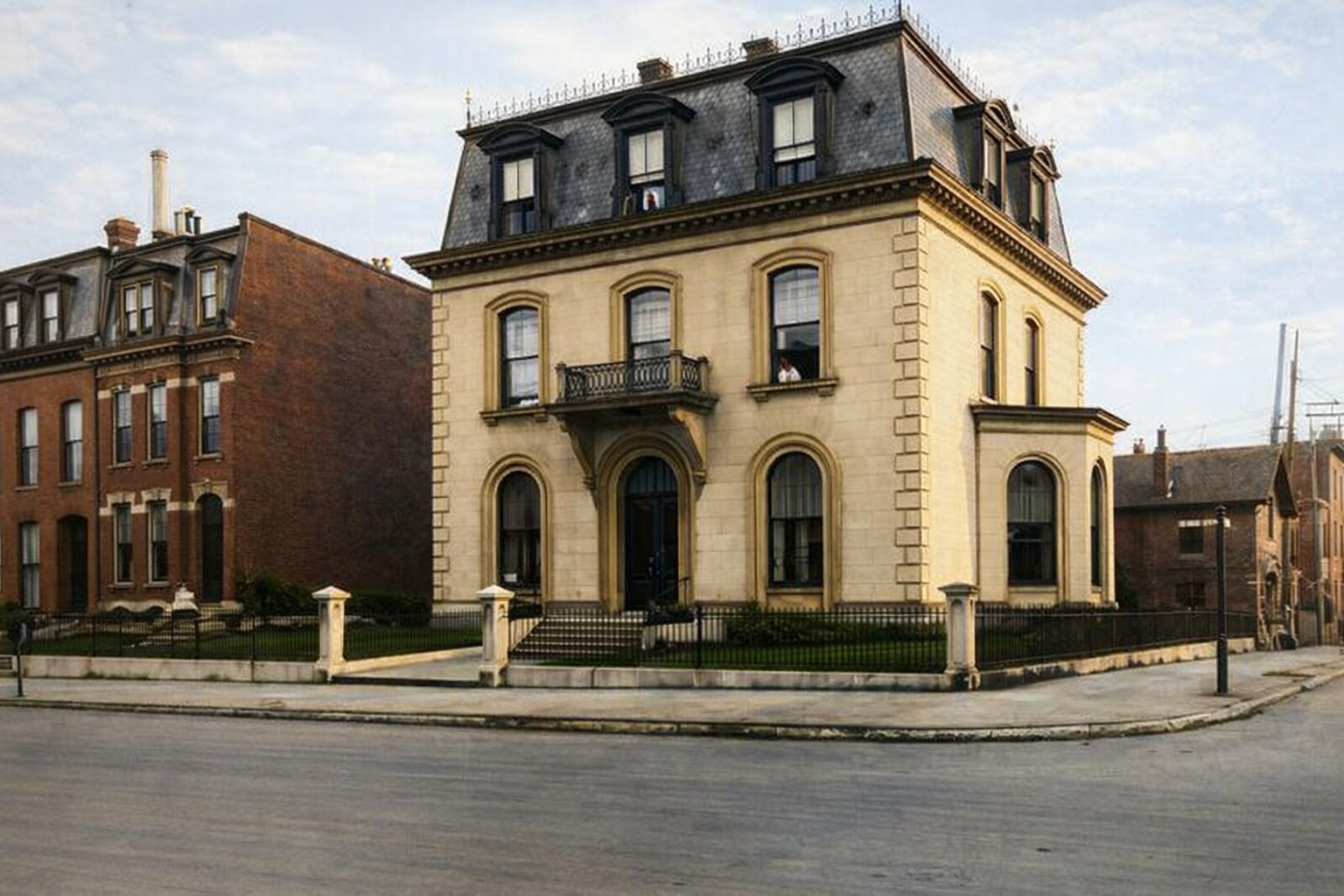
Knapp Residence

John Knapp lived a 2732 Pine Avenue on Plate 71 in 1875. John Knapp came to St. Louis from New York, to work for his brother George, owner of the Missouri Republican newspaper. 

In 1840, John Knapp joined the St. Louis Greys Militia Company, rising to Lieutenant Colonel of the 1st Regiment Missouri Militia before its winter 1861 Southwest Expedition to the Kansas border.  
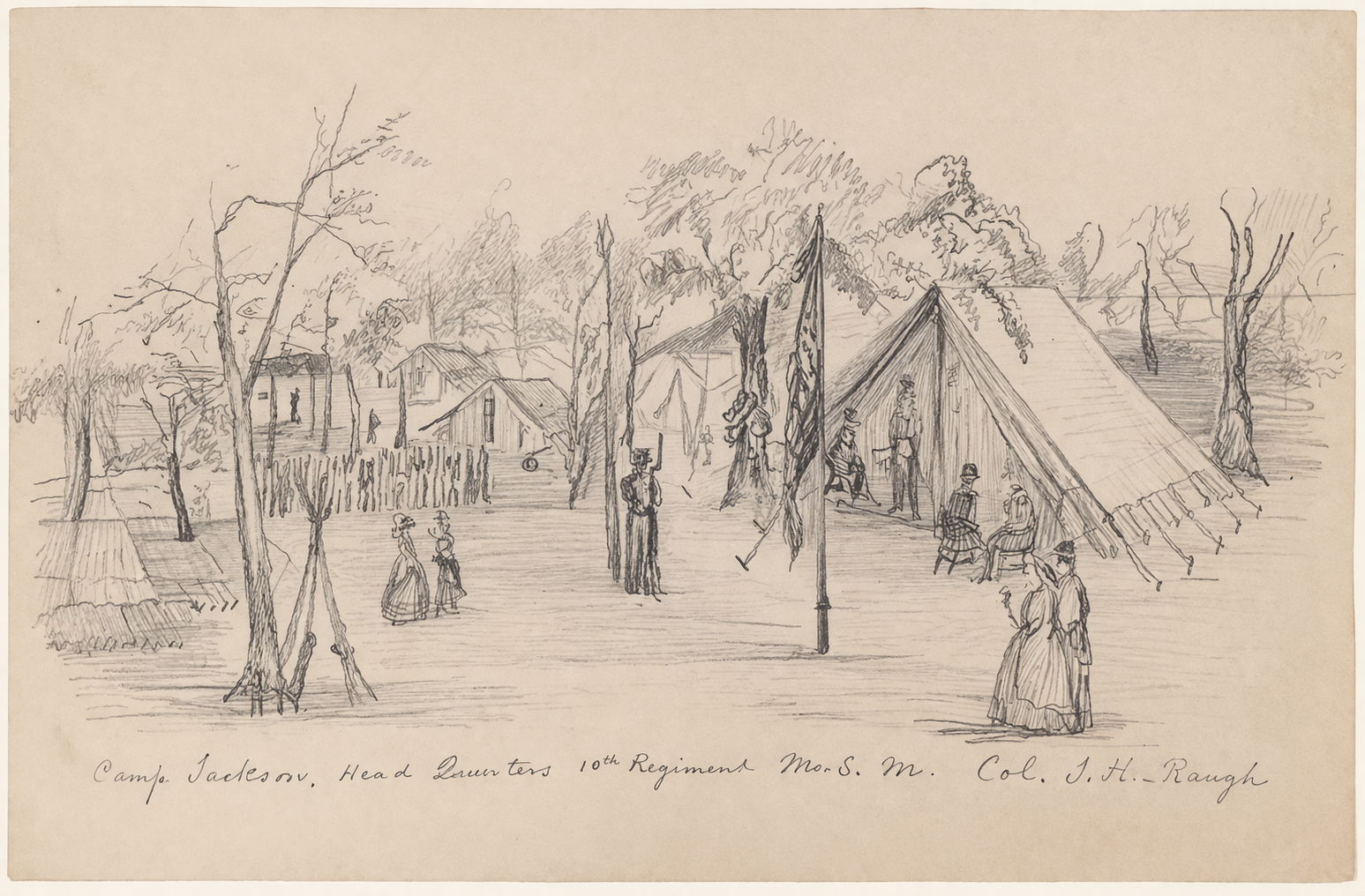
Camp Jackson
Knapp was with the militia at Camp Jackson. This is a sketch of Camp Jackson in 1860 by an unknown artist. Inscribed along lower edge in graphic: 'Camp Jackson, Head Quarters 1st Regiment M.S.M. Col. J.H. Raugh.’ MSM stands for Missouri State Militia.

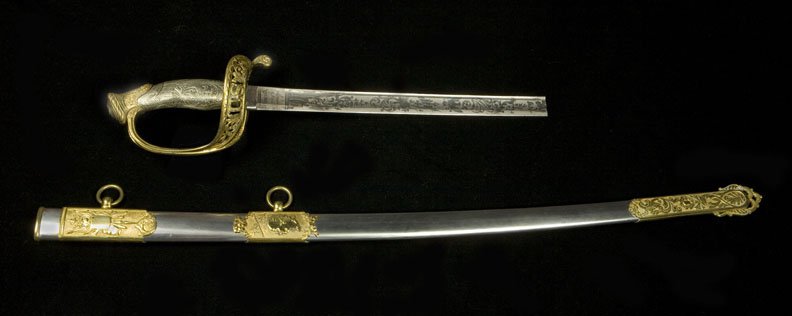
In May 1861 when Camp Jackson surrendered to Nathaniel Lyon and his U.S. forces under the circumstances we related above, Colonel Knapp was outraged at Lyon’s action, Knapp broke his sword rather than surrender it intact.

By then, John Knapp was the co-owner and publisher of the St. Louis Republican newspaper which was established in 1808. It boasted the largest circulation of any paper west of the Mississippi. The incident at Camp Jackson was brutally editorialized by the St. Louis Republican’s arch rival newspaper. What might be the name of the St. Louis Republican’s greatest competitor?

The Daily Missouri Democrat.   The following article from The Missouri Democrat appeared on Friday, September 5, 1862.

THE KNAPP APPOINTMENT.

Our militarily disposed friend, Colonel John Knapp, seems likely to find the war path something like Jordan—a hard road to travel. Having first enlisted under the banners of King Claib., (Governor Claiborne Fox Jackson) he marched at the head of his warriors to the classic grounds of Camp Jackson. The altered circumstances of the march out and the march back, are yet fresh in the recollection of many of our citizens. Having proudly aired his blushing honors for a few days beneath the spreading branches of Lindell Grove, his felicity was brought to a sudden and irreparable conclusion. His hope of martial glory, just in the bud, was incontinently nipped. A great multitude of “Hessians,” and others of “Lincoln’s minions,” with a Lyon at their head, and armed with certain very persuasive arguments in the shape of cannon, swords and blunderbusses, having one day surrounded the aforesaid camp of warriors, made the “very ungenerous and unchivalrous” demand upon them for immediate surrender, threatening, in case of non-compliance, “to move immediately upon their works.” They surrendered. The doughty Colonel, however, apparently much dissatisfied with this inglorious termination of his first campaign, charged with great audacity upon a neighboring fence. In the conflict which ensued, we never understood what were the casualties to the fence, but the sword of the Knight was broken….

Here is the Colonel Knapp’s broken sword which is now in the collection of the Missouri History Museum.

Interestingly, from that day forward, Colonel Knapp switched his allegiance and took up the banner of the Union Army.  In July 1862, Knapp was appointed Colonel of the 8th Regiment Enlisted Missouri Militia,  His organizational skills helped establish the militia statewide as a counterforce to Confederate guerrilla activity in the state.

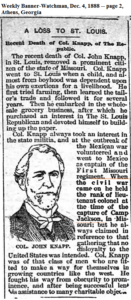
An article reporting Knapp’s death appeared in the Weekly Banner-Watchman in Athens, Georgia in December, 1888. Quoting,
“Colonel Knapp was of that class of men who are fitted to make a way for themselves in growing countries like the west. He fought his way from obscurity to prominence, and after being successful lent his assistance to many charitable objectives.”

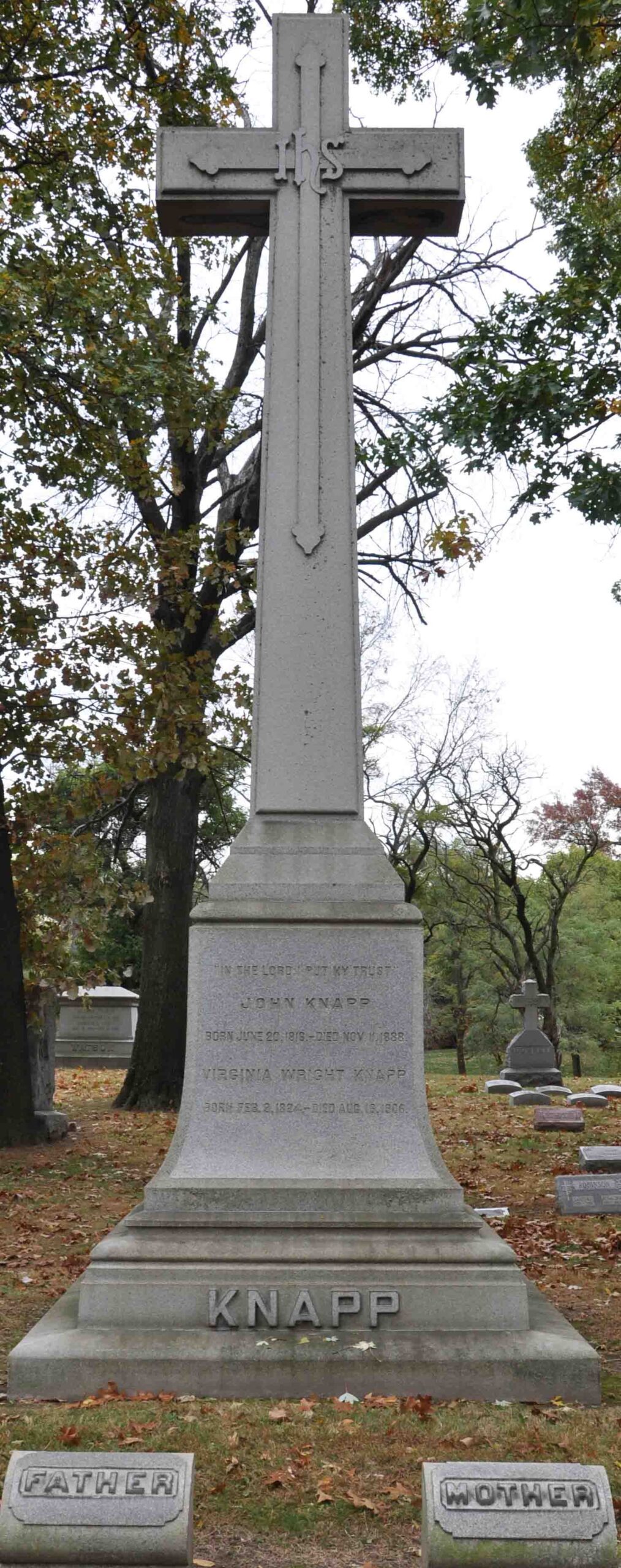
John Knapp died in November of 1988 and is buried at Calvary Cemetery in St. Louis.