
 Wesley Fallon
2751 Locust Street
Carriage Manufacturer — St. Charles & 10th Street
President, Western Mutual Fire Insurance Company
Born: 1819
Pennsylvania, USA
Died: August 10, 1876 (aged 56–57)
Saint Louis, City of St. Louis, Missouri, USA
Buried:
Bellefontaine Cemetery
Saint Louis, Missouri
Among the industrial proprietors living along Locust Street in 1875, Wesley Fallon represented a profession that was both essential to nineteenth-century urban life and deeply connected to the economic expansion of St. Louis: carriage manufacturing.
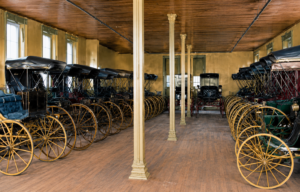
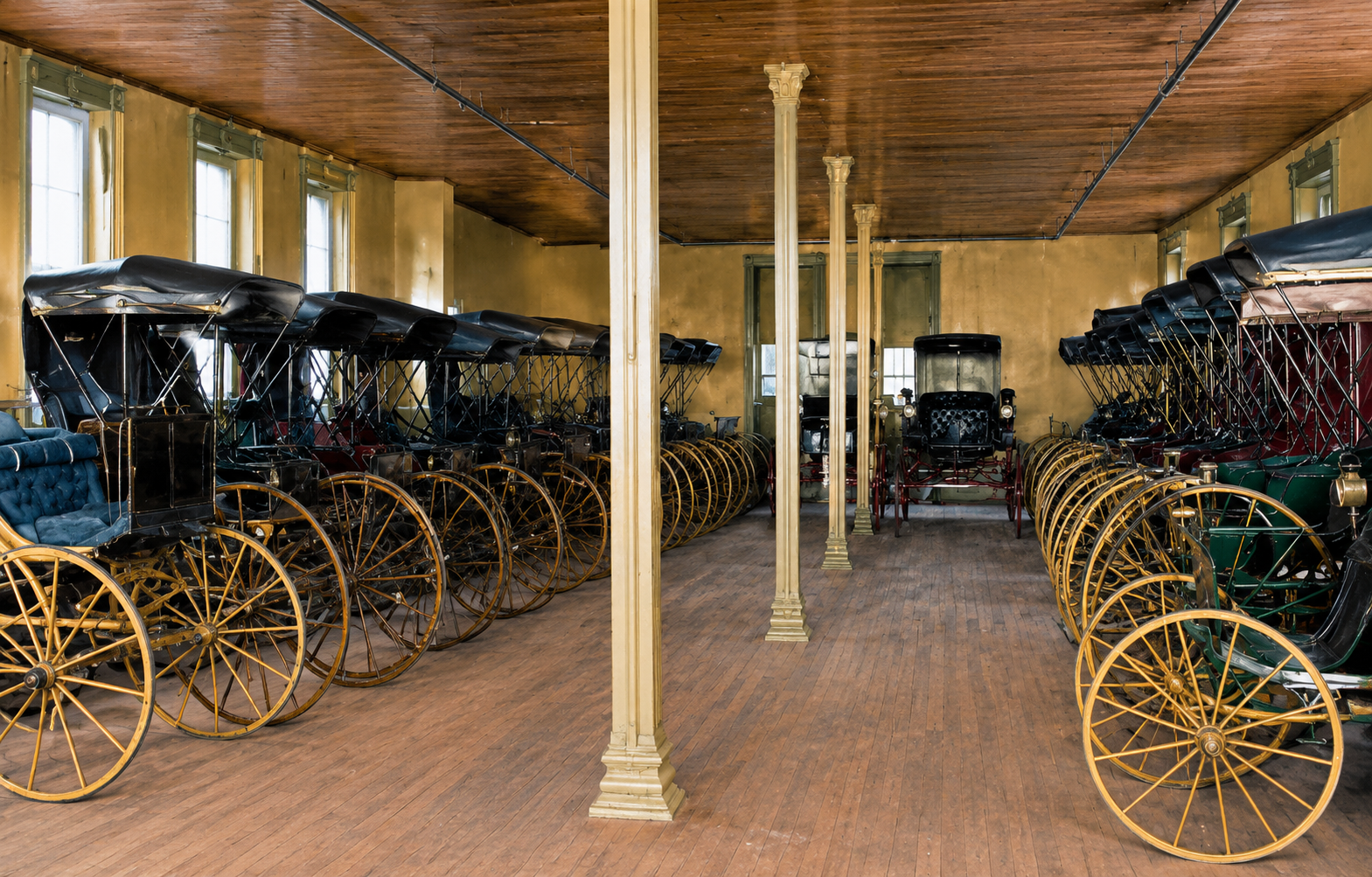
Residing at 2751 Locust Street, Fallon stood at the center of a transportation industry that predated the automobile by generations. Before electric streetcars, trucks, or motorized delivery vehicles, the movement of people and goods depended almost entirely upon horses and the countless forms of wheeled conveyances they pulled. Every merchant, doctor, undertaker, contractor, brewer, wholesaler, and prosperous family relied upon wagons, buggies, coaches, drays, and carriages to conduct daily life.
 Fallon’s carriage works, located at 10th and St. Charles Streets, occupied an advantageous position near the commercial heart of the city. The business was not a minor artisan shop, but an established industrial concern whose roots stretched back decades. Later court records reveal that the enterprise had been founded as early as 1845, placing Wesley Fallon among an earlier generation of St. Louis manufacturers who helped build the city before the Civil War.
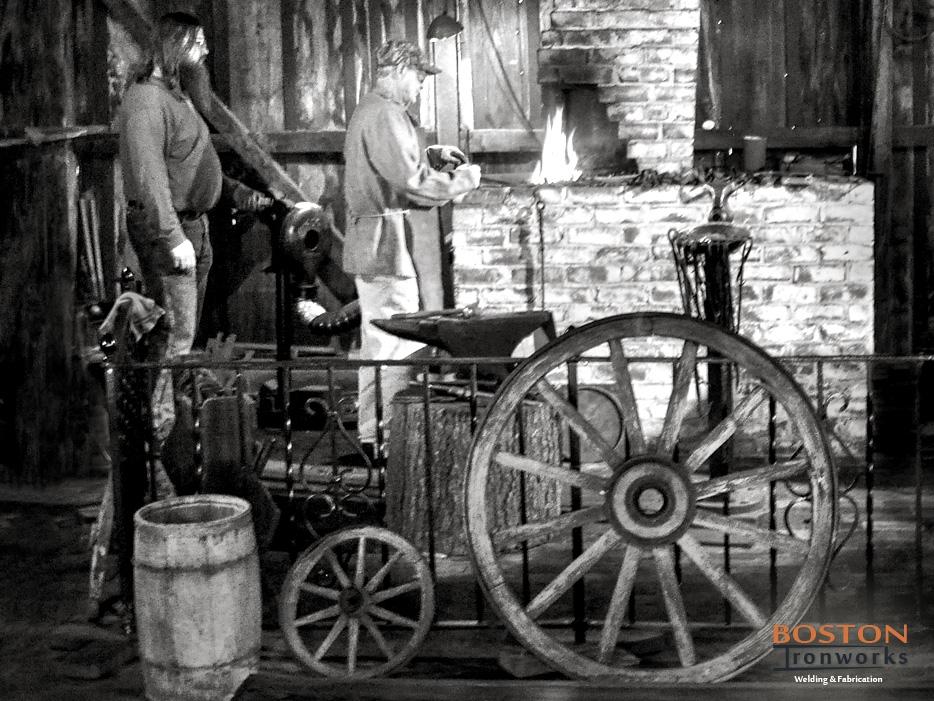
A carriage factory in the nineteenth century required an extraordinary combination of specialized skills. Woodworkers shaped frames and wheels. Blacksmiths forged iron fittings and springs. Leather workers and upholsterers completed interiors and harness elements. Painters and finishers transformed practical vehicles into objects of craftsmanship and prestige. Such operations often functioned as small industrial ecosystems, employing numerous tradesmen under one coordinated enterprise.
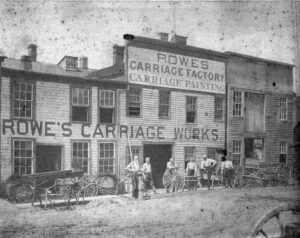 The longevity of Fallon’s company suggests both commercial success and a respected public reputation. By the mid-1870s, the business had become sufficiently recognized that the Fallon name itself carried value within the transportation and manufacturing world of St. Louis.
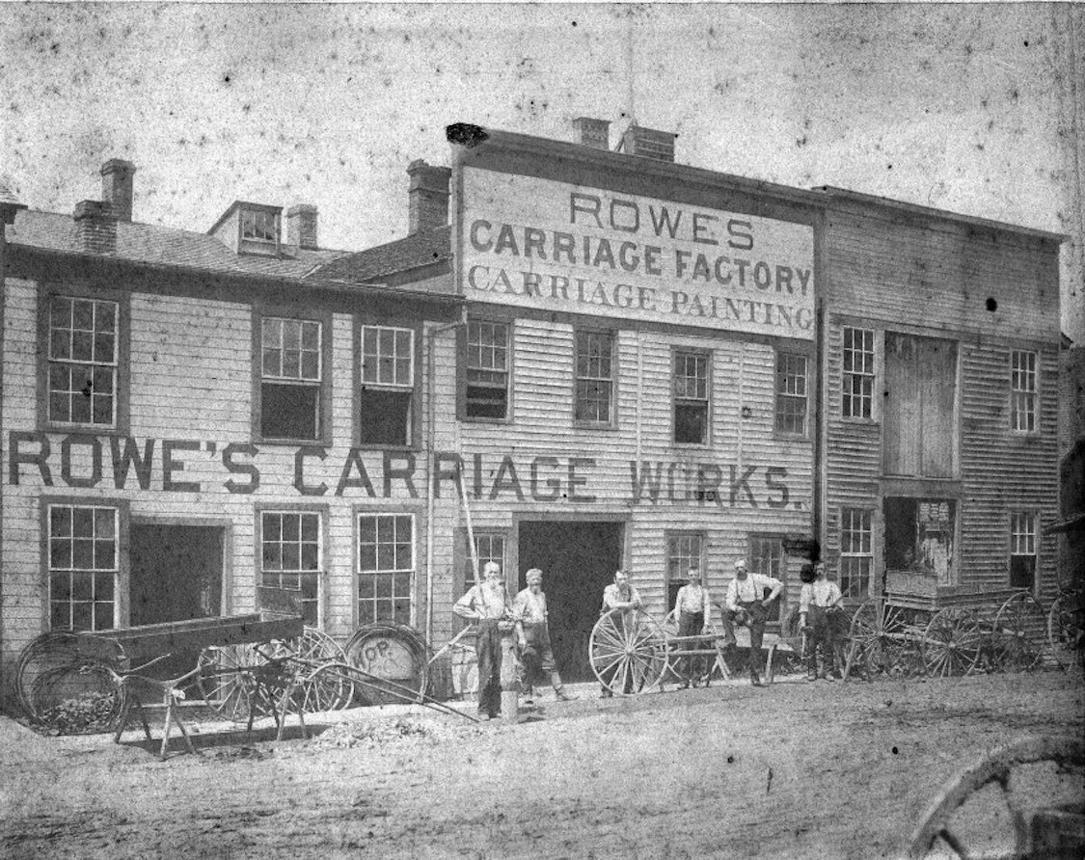
That reputation would prove enduring.
Wesley Fallon died in 1876, shortly after the period represented by Plate 71 and the Gould directory entry. Yet remarkably, the carriage works continued operating under his name for years afterward. An 1887 Missouri Court of Appeals case involving the business provides an unusually vivid glimpse into the continued operation of the Fallon enterprise after his death.
The case revealed that Fallon’s widow, Mrs. C. M. Fallon, had purchased the carriage works from his estate and retained ownership of the business. Day-to-day operations were managed by John F. Fallon, who consistently identified himself not as proprietor, but as “manager” or “attorney” acting on behalf of Mrs. Fallon.
The records preserve fascinating details about the physical appearance and public identity of the business during this period. Hanging within the office was a framed advertising display reading:
“Fallon’s Carriage Factory
Wesley Fallon, Carriage Builder
Established 1845
10th & St. Charles Sts., St. Louis
John F. Fallon, Manager.”