
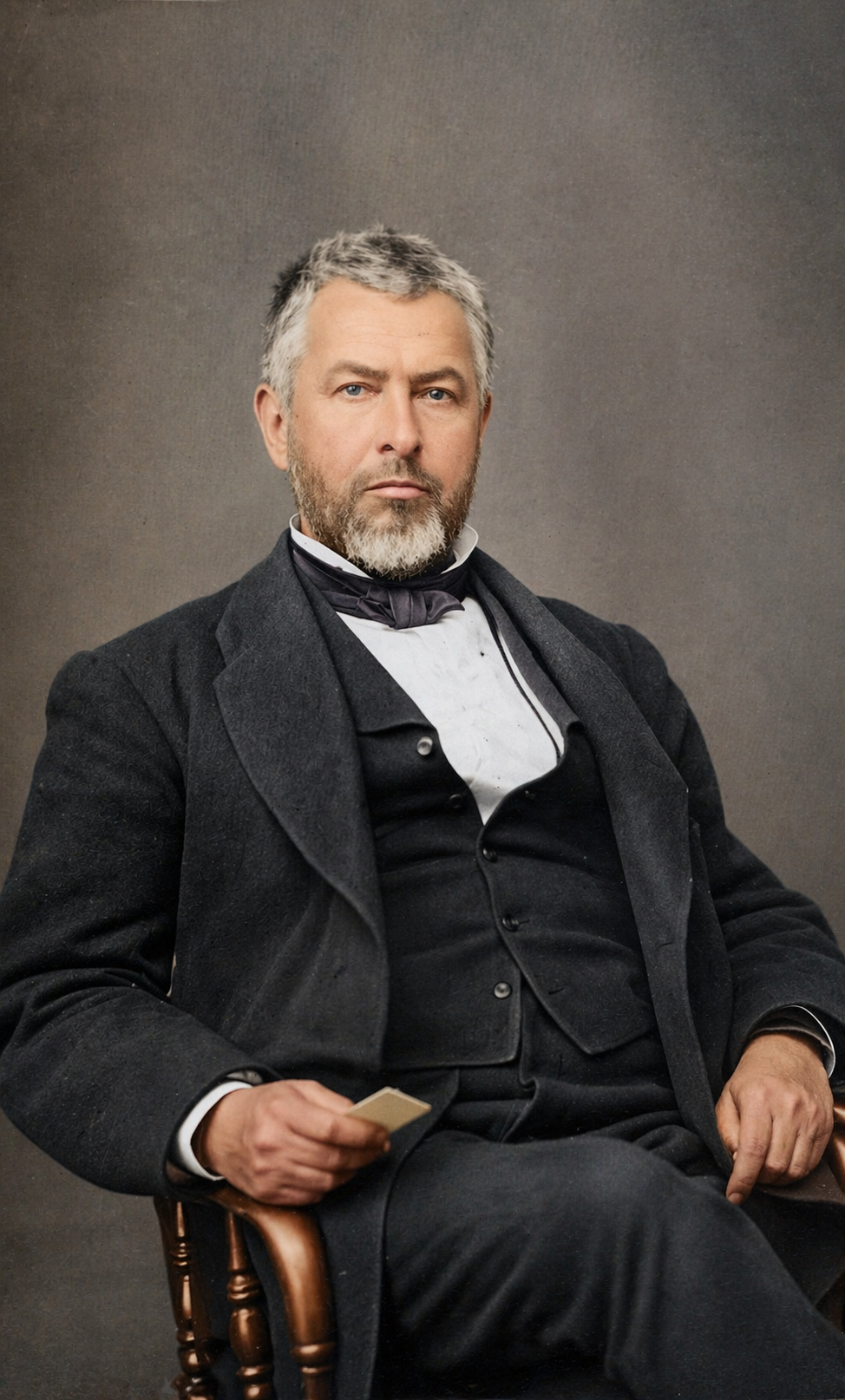
Francois Jules Valle / Jules Felix Valle (Sr.)

Francois Jules Valle
2710 Washington Avenue

Born:  January 5, 1820
Sainte Genevieve, Missouri
Ste. Genevieve County, Missouri

Died:  March 3, 1872
Saint Louis, Missouri

Buried: Bellfontaine Cemetery
St. Louis, Missouri

Spouse: Isabelle Sargent
Married: 1844

Iron Mountain Company / Chouteau, Harrison & Valle / Vulcan Steel Works
Associated with St. Louis iron, mining, and industrial development

Francois Jules Valle belongs to that older Franco-Missourian generation whose family roots reached back before American St. Louis, but whose adult life helped pull the city into the industrial age. Born January 5, 1820, at Sainte Genevieve, Missouri, Valle inherited more than a name. Valle emerged from one of the oldest Franco-Missourian families, linking colonial Sainte Genevieve leadership with the industrial development of St. Louis. His father, John B. Valle, was associated in business with Pierre Menard, and his grandfather had been the last Spanish and French commandant of Sainte Genevieve. From the beginning, then, Valle stood at the intersection of frontier lineage, French colonial inheritance, and Missouri’s emerging commercial economy.

Educated at a seminary near Perryville, Valle was still a young man when he became superintendent of the family mines in St. Francois County. That early responsibility placed him directly in the mineral world of southeastern Missouri, where iron, lead, timber, transport, capital, and family enterprise were being drawn together into the industrial foundations of nineteenth-century St. Louis.
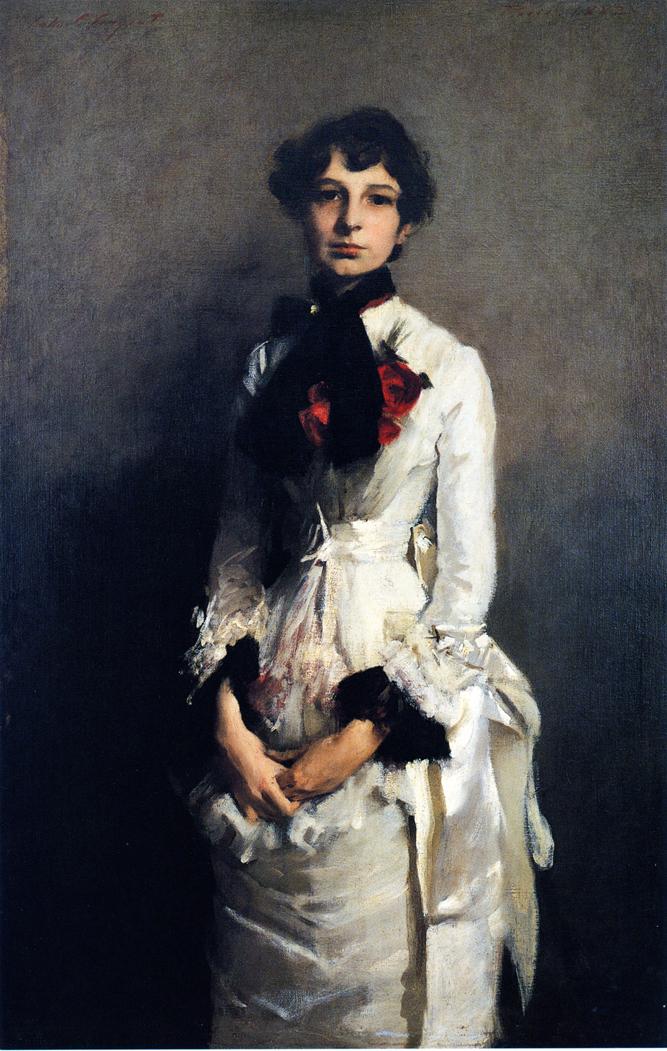
Isabelle Sargent Valle

After two years in the mines, Valle entered the dry goods business with his uncle, Felix Janis. At twenty-four, he married Isabelle Sargent. Nine years later, the family moved to St. Louis, where Valle became one of the owners of the Iron Mountain Company. His business life then widened into the firm of Chouteau, Harrison and Valle; after James Harrison’s death in 1870, Valle became president of both companies. 

His son, Jules Felix Valle, would later emerge as a prominent St. Louis physician while retaining a directorship in the Iron Mountain Company, illustrating the continuation of family influence into the next generation.

Valle also helped originate the Vulcan Steel Works in Carondelet, a telling link between the mineral country of southeastern Missouri and the manufacturing edge of St. Louis. Vulcan Steel Works was producing 350,000 tons of iron when he died at the age of 53 tying Valle’s name to the rise of heavy industry along the city’s southern riverfront. 

The Valle family at one time lived on Chouteau Avenue near Chouteau Pond, a residence later associated with Carl Schurz. That detail is wonderfully Lucas and Garrison in character: one household, one property, and two very different eras of St. Louis influence passing through the same urban space.

Jules Valle died in St. Louis on March 3, 1872, three years before the 1875 frame of the Lucas and Garrison project. Yet his story belongs near it. The men of Plate 71 lived in a city already shaped by mining capital, iron production, old French families, commercial partnerships, and the industrial promise Valle helped advance. His life reminds us that genteel St. Louis did not float above industry; it was often built upon it. The household was listed in the 1882 Gould's Directory as being occupied by Isabelle Sargent Valle, and likely continued under her direction with the next generation coming of age within the city’s professional and industrial circles. Isabelle Valle died in St. Louis in 1889.

LucGar Reflective Addendum

Jules Valle’s life helps explain the hidden machinery beneath nineteenth-century St. Louis prosperity. Behind the residences, churches, clubs, and cultivated manners stood mines, furnaces, rail connections, riverfront works, and family capital accumulated across generations. Valle’s story reaches backward to colonial Sainte Genevieve and forward to industrial Carondelet. In that span is the larger St. Louis transformation: from fur, land, and mercantile trade into iron, steel, rail, and manufacturing power.